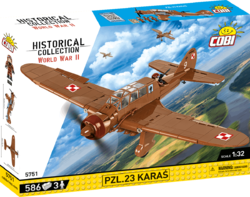
Víte, že: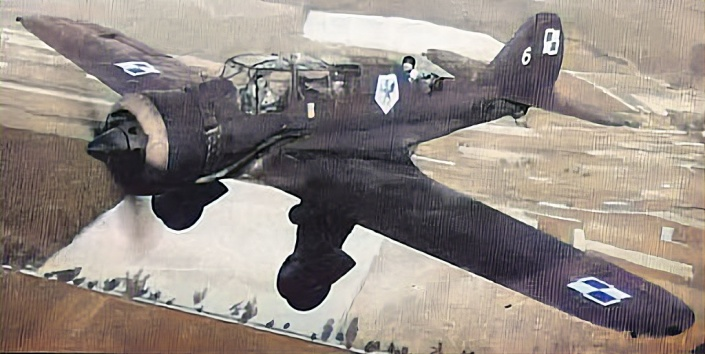
- Konstruktér Stanislaw Prauss zahájil práce na lehkém bombardéru v roce 1932 na základě žádosti polského ministerstva obrany.
- Předlohou pro stavbu nového letadla byl šestimístný model PZL-13 ze kterého byly použity základní konstrukční prvky.
- První prototyp vzlétl v srpnu 1934, ale zkoušky nebyly moc úspěšné. Mohutná zástavba motoru omezovala výhled z kokpitu natolik, že každé přistání představovalo riziko. Konstruktéři se tak museli vrátit k práci a návrh přepracovat.
- Druhý prototyp z roku 1935 už byl mnohem úspěšnější. Všechny další připomínky byly zapracovány do třetího prototypu, který již splňoval vaškeré požadované parametry. Ještě téhož roku byla zahájena sériová výroba.
- Prvních 40 kusů bylo k bojovým jednotkám dodáno v polovině roku 1936. A vůbec to nebylo špatné letadlo.
- Když Německo a Sovětský svaz napadlo Polsko, tak k překvapení německých velitelů docházelo k bombardování německých kolon postupujících na východ. Německá převaha však byla drtivá a 90% polských letadel bylo zničeno. Právě proto je dodnes letadlo PZL.23 pro Poláky také symbolem nezlomného odporu.
- V několika verzích bylo vyrobeno asi 250 kusů.
- Dobová výrobní cena byla 125 000 Zlotých.
Technické parametry: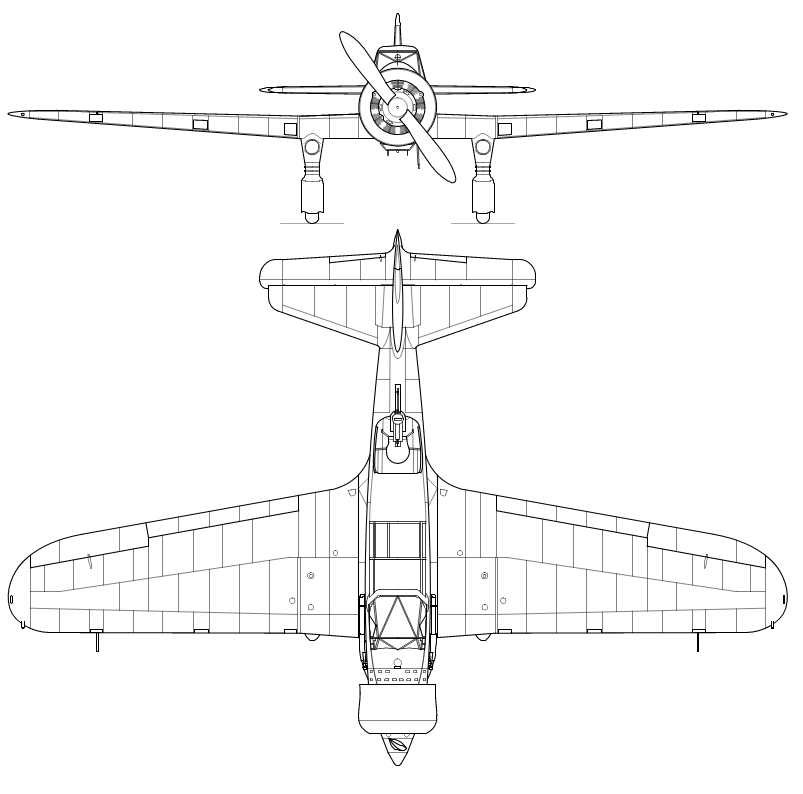
- rozměry: rozpětí křídel 13,95 m, délka 9,68 m, výška 3,30 m
- maximální vzletová hmotnost 3 525 kg
- pohonná jednotka hvězdicový motor PZL Bristol PEGAZ VIII o vákonu 522 kW
- maximální rychlost 319 km/h
- maximální letová hladina 7 300 m
- stoupavost 6,7 m/s
- objem palivových nádrží 770 l
- dolet 1 260 km
- výzbroj 700 kg podvěšených bomb, kulomet PWU WZ.33 ráže 7,92 mm a 2x kulomet Vickers F ráže 7,92 mm
- posádka pilot, velitel-navigátor a zadní střelec
Kapitán Wladyslaw Gniewosz o PZL.23:
"Létání na Karaśi bylo nebezpečné, ale byl to náš nejlepší bombardér a věděli jsme že to musíme udělat pro naši svobodu. Nikdy nezapomenu na tváře mých kamarádů, když jsme se chystali na bombardovací misi."
Návod na sestavení