Víte, že: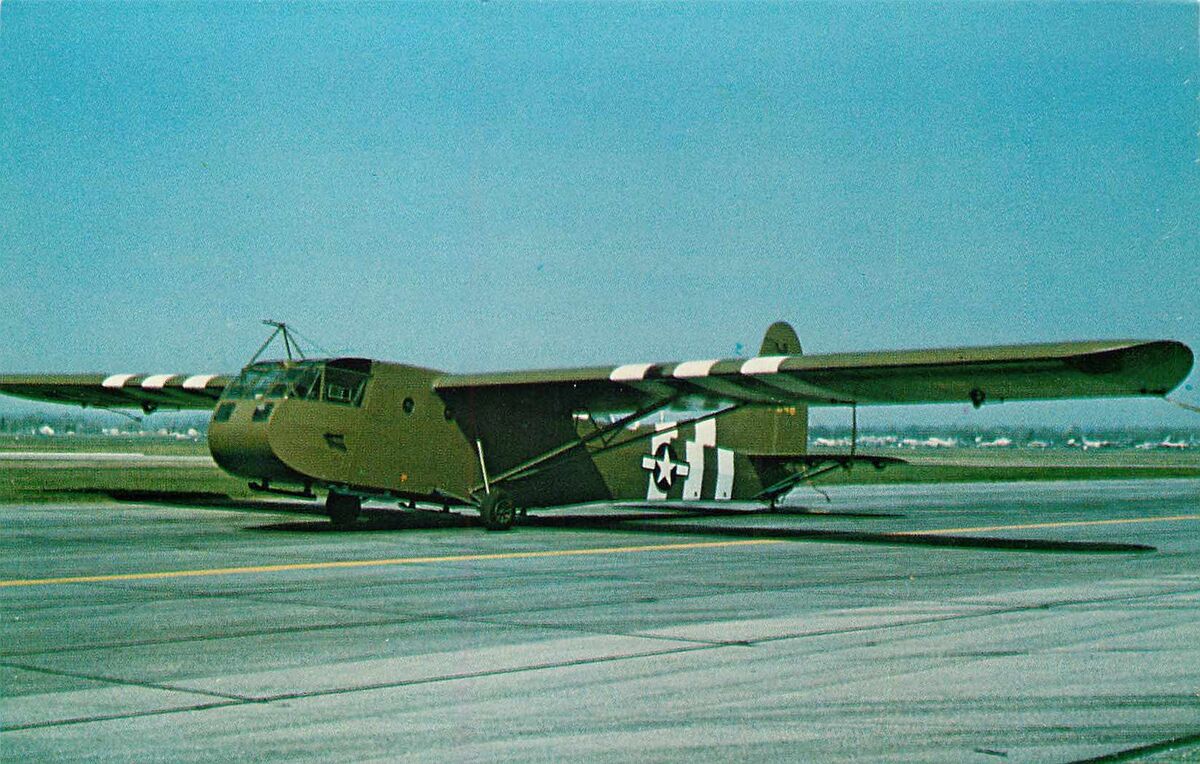
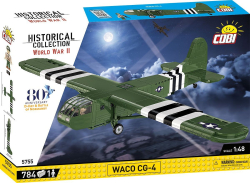
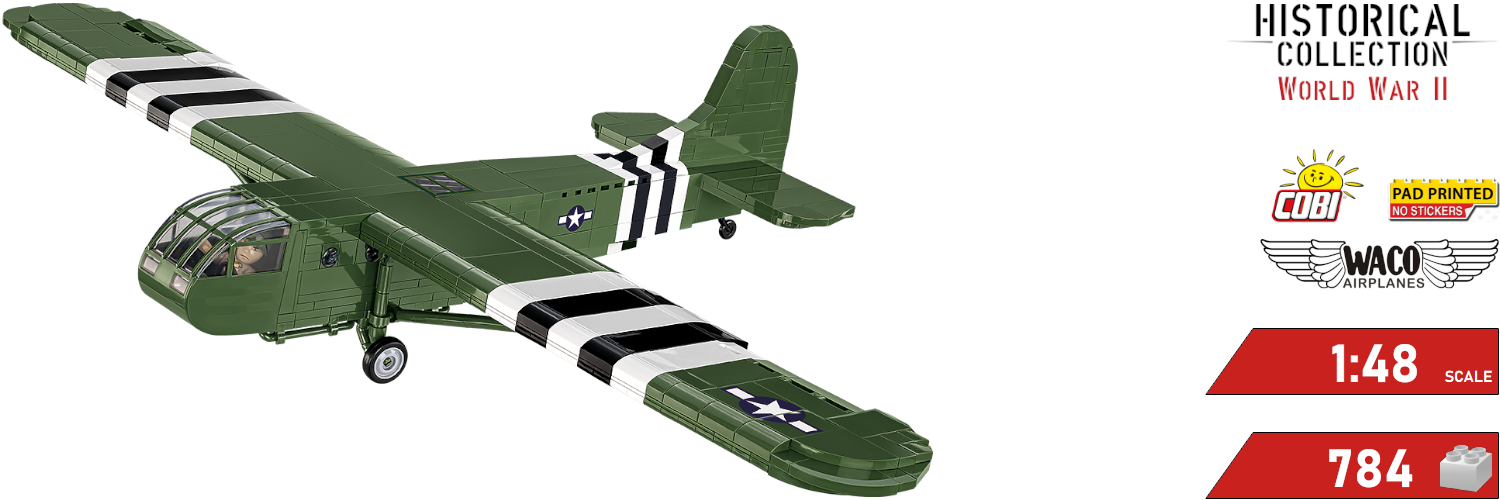
- Kluzák CG-4 nemusel přepravovat jen vojáky, ale také různé vybavení, lehká děla nebo třeba vozidla.
- Jeho jednoduchá dřevěná konstrukce umožňovala rychlou a nenáročnou výrobu - celkem bylo vyrobeno přes 13 900 kusů.
- Tyto kluzáky byly navrženy tak, aby bylo snadné je sestavit a demontovat přímo na bojišti.
- Byly vyrobeny i modely kluzáků určené pro výcvik vojáků a pilotů.
- Vzhledem k tomu, že si piloti nemohli moc vybírat, kde přistanou, často přistávali v náročném terénu a obtížných podmínkách.
- CG-4 byl často tažen za letadly C-47 Skytrain.
- Některé modely byly dokonce osazeny pomocnými motory pro větší dolet.
- Tento model kluzáku hrál významnou roli v operaci Overlord, kde vysazoval vojáky za nepřátelskou linií.
- CG-4 nesloužil jen v amerických službách, ale také britských - tam byl známý pod jménem Hadrian
- Někteří vojáci přezdívali kluzáku "Flying coffin" (Létající rakev) kvůli vysokému riziku, kterému čelili piloti i posádka při operacích.
Technické parametry: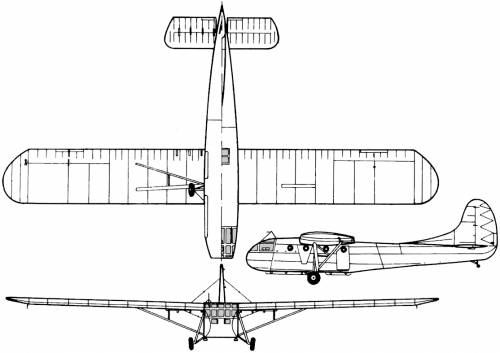
- rozměry: rozpětí křídel 25,5 m, délka 14,8 m, výška 4,3 m
- hmotnost prázdného stroje 1 340 kg
- maximální vzletová hmotnost 3 750 kg
- maximální letová hladina typicky až 4 600 m
- maximální rychlost při vlečení 240 km/h
- posádka 2 piloti + 13 vojáků
Generálmajor William C. Lee o kluzáku CG-4:
“Letět v kluzáku je jako sedět v přední řadě horské dráhy, ale bez bezpečnostních pásů a s pocitem, že nemáte kamarády na zemi, kteří by vám pomohli, kdyby něco nevyšlo.”
Návod na sestavení