Víte, že: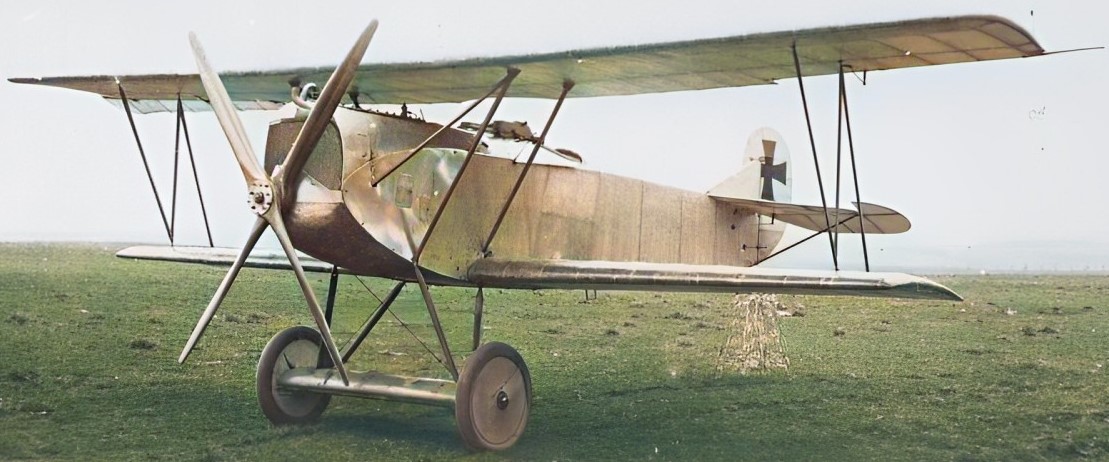
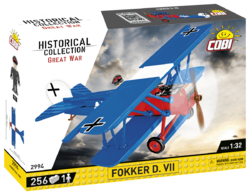
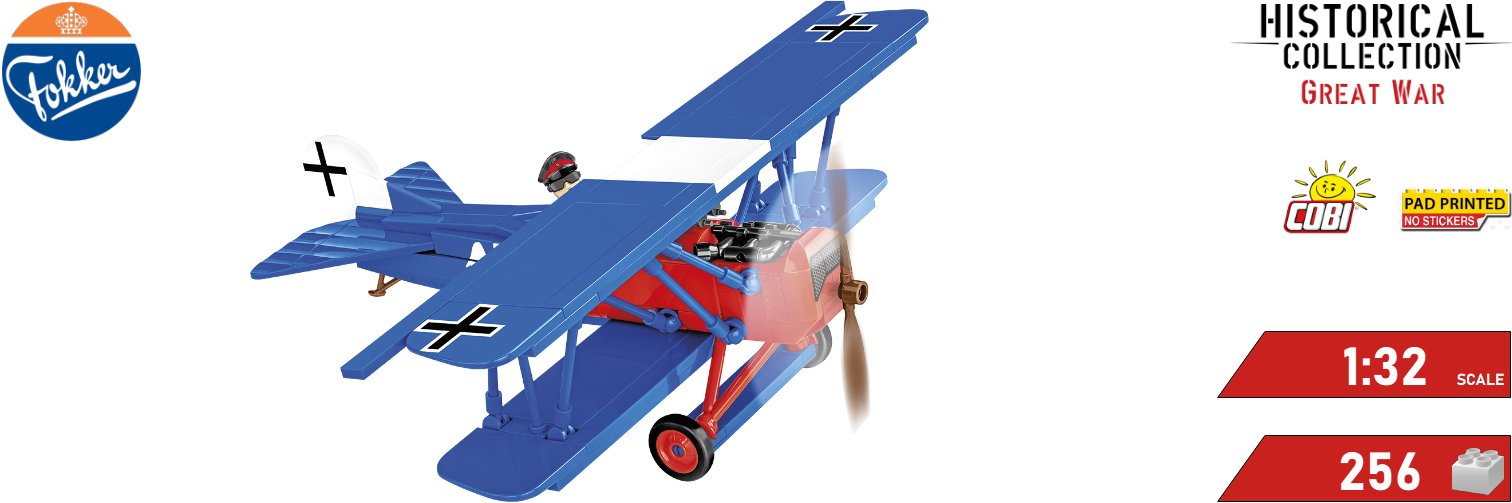
- Konstruktérem tohoto letadla byl Holanďan Anton Herman Gerard Fokker. Byl to člověk komplikované povahy, se kterým nebylo jednoduché vyjít. Celý život se řídil jednou zásadou. Dělal jen to co ho bavilo a co ne, tak to zkrátka nedělal. Stejně se choval i ve škole, kterou pro tuto vlastnost nedokončil. Přesto všechno a možná právě pro to stavěl ve své době nejlepší letadla na světě.
- První let Fokkeru D. VII se uskutečnil počátkem roku 1918 z Berlínského letiště ještě pod označením V.11. Testovacím pilotem byl v té době již věhlasný Manfred von Richthofen.
- Letové zkoušky nedopadly dle očekání a dvojice konstruktérů Fokker-Platz museli letadlo přepracovat.
- Protažením trupu získalo letadlo mimořádnou stabilitu a po finálním zalétání jej M. Richthofen označil za nejlepší německé letadlo. To stačilo k tomu, aby společnost Fokker obdržela první objednávku na 400 ks.
- Kapacita továren Fokker nebyla dostatečná a německé velení přinutilo A. Fokkera k předání výrobní licence společnostem Albatros a AEG. Rozšiřování výroby se neobešlo bez problémů. K letadlům neexistovala žádná dokumentace. Proč? Protože se Antonymu něchtěla dělat a co se mu nechtělo, tak přece nedělal.
- Náhradní díly nebyly vzájemně zaměnitelné což výrazně komplikovalo válečnou logistiku.
- Nová letadla byla poprvé nasazena na západní frontě v květnu 1918. Ihned během prvních misí se ukázala jasná převaha Fokkerů. Velkým omezením byl zákaz střemhlavých letů. Tento manévr byl dovolen pouze kusům vyrobených v továrnách Albatros, které byly schopné zajistit dostatečnou kvalitu výroby.
- Problémy způsoboval táké původní motor Mercedes D.IIIa, který se přehříval natolik, že se vlivem tepla od motoru samovolně vznítila munice ve schránce.
- Přes všechny nedostatky byl Fokker D. VII natolik dobré letadlo, že se mezi důstojníky používalo rčení: ,,dej špatnému pilotovi D.VII a bude z něj eso".
- Krátce na tomto letadle sloužil také slavný Fritz Rumey, který později přešel na jiný stroj D.VII s výraznou žlutou barvou. Dle barvy letadla se také F. Rumneymu říkalo "The yellow Fokker flier".
- Celkem bylo vyrobeno asi 1 700 ks.
Technické parametry: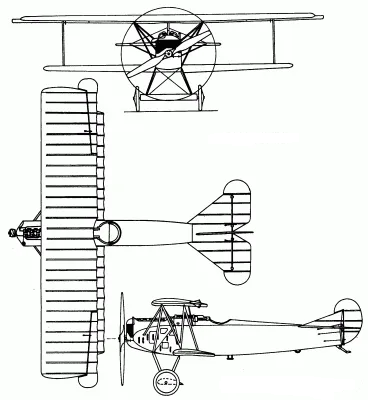
- rozpětí křídel 8,92 m , délka 6,95 m, výška 2,75 m
- hmotnost prázdného letounu 700 kg
- maximální vzletová hmotnost 878 kg
- pohonná jednotka 6válcový motor Mercedes D. IIIA o výkonu 138 kW
- maximální rychlost 187 km/h
- maximální letová hladina 6 000 m
- objem palivové nádrže 91 l
- akční rádius 1,5 hodiny letu
- výzbroj 2x synchronizovaný kulomet Spandau MG 08/15 ráže 7,92 mm
Australský pilot Harry Cobby o Fokker D. VII.:
,, Němci nasazovali toto letadlo často. Bylo velmi obratné. V rychlostech, kdy naše britské stoje Sopwith padaly do nekontrolovatelné vývrtky byli Němci schopní stále manévrovat. Jediným způsobem jak souboj vyhrát, bylo využívat na maximum vyšší rychlosti."
Návod na sestavení