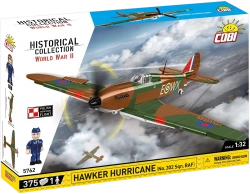
Víte, že: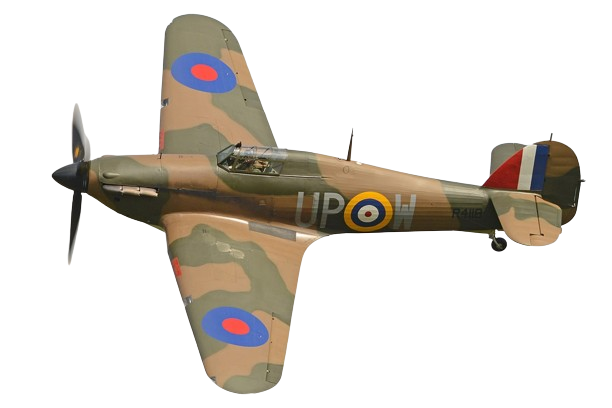
- Konstruktér Sydney Camm započal s vývojem letadla již v polovině 30. let 20. století navzdory armádním úředníkům, kteří stále trvali na dvouplošné konstrukci.
- Po prvních letový zkouškách v listopadu 1935 bylo jasné, že vzniklo mimořádné letadlo vhodné pro manévrové souboje s jakýmkoli protivníkem.
- Jménem Hurricane pokřtil nové letadlo osobně král Eduard VIII.
- Sériová výroba Hurricanů začala v červnu 1936 a do roku 1944 bylo v různých verzích vyrobeno 14 533 ks.
- První 4 letadla byla zařazena do výzbroje 111. stíhací perutě RAF jako vánoční dárek 24. prosince 1937.
- Přeškolení pilotů na nové moderní stroje nebylo obtížné. Jedinou komplikací zpočátku byl zatahovací podvozek, který předchozí letadla RAF neměla a tak zprvu stávalo, že piloti na podvozek zapomněli a přistávali tzv. ,,na břicho".
- Letadla Hurricane byla neprávem zastíněna slavnějším Spitfirem i přesto, že Hurricany zničily 60% letadel Luftwaffe.
- Více než 3 000 stíhačů bylo v rámci pomoci dodáno do Sovětského svazu, ale ruští piloti stroj nikdy pořádně nepřijali. Terčem kritiky bylo pancéřování a motory Merlin, které vyžadovaly citlivou a proškolenou pilotáž. Když se spojenci dotazovali na spokojenost s Hurricany, tak zbrojní komisař Yefimov taktně odpověděl: Letadlo je fajn, je z kovu. Kov je dobrý a jen tak neshoří". Sovětští piloti zkrátka potřebovali více ,,blbuvzdorné stroje".
- Na strojích Hurricane létala také početná skupina československých pilotů u 309. a 310. stíhací perutě. Významnou silou byla 302. "polská" peruť založená 13. července 1940 ve Velké Británii.
- Významnou osobností 302. perutě byl pilot Waclaw Król, účastník bitev o Francio a o Británii. Během 286 misí se z W. Króla stalo stíhací eso. Po rozpuštění perutě 18. prosince 1946 se vrátil do komunisty ovládaného Polska. Místo přivítání jako hrdiny se mu od komunistů dostalo opakovaného obvinění ze smyšlených činů a pronásledování. Až do pádu komunismu vykonával podřadné práce. S nástupem svobody byl W. Król znovu přijat do armády, kde získal hodnost plukovníka.
Technické parametry: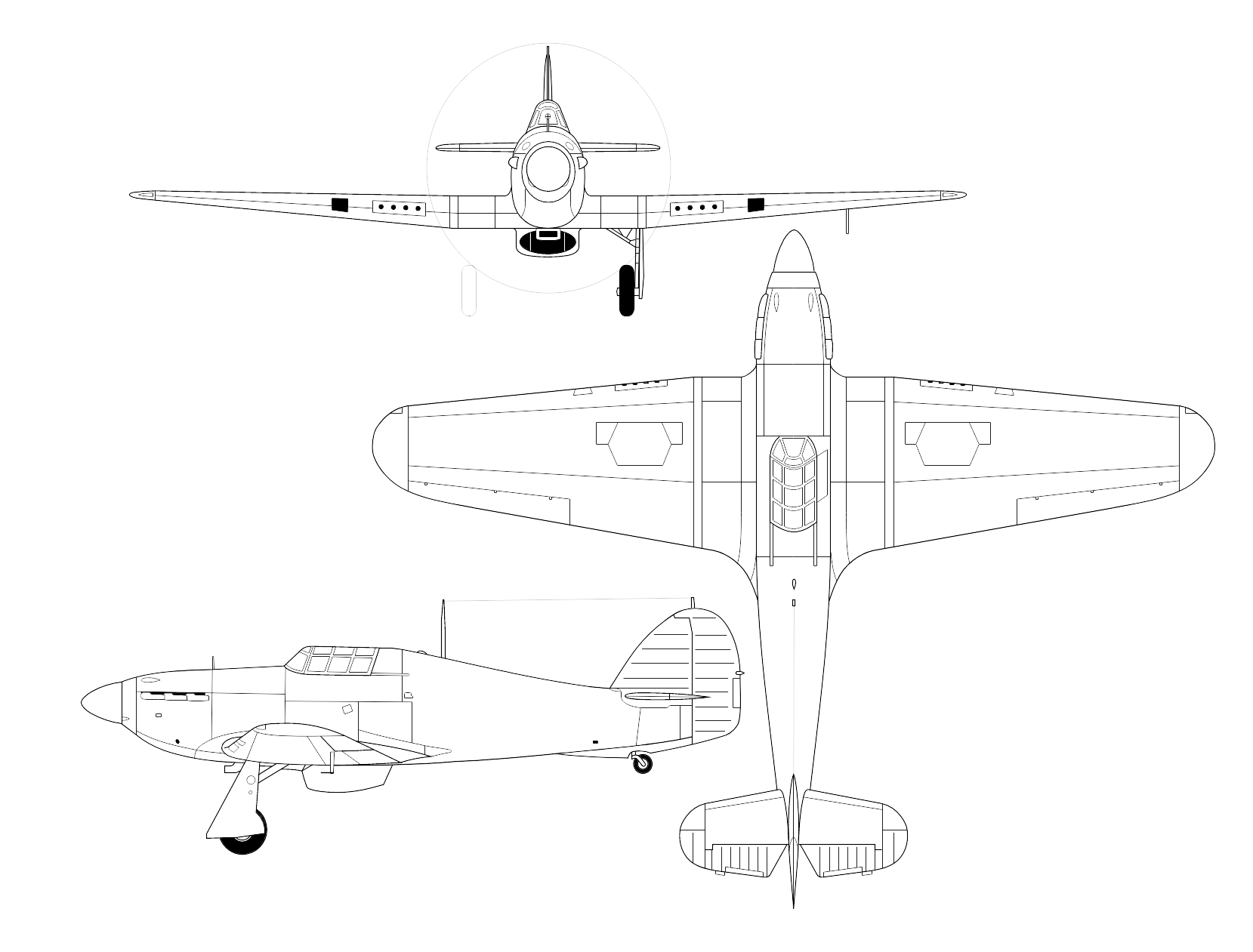
- rozměry: rozpětí křídel 12,19 m, délka 9,58 m, výška 4,01 m
- prázdná hmotnost 1 886 kg
- vzletová hmotnost 2 605 kg
- pohonná jednotka motor Rolls-Royce Merlin MK II o výkonu 757 kW
- maximální rychlost 509 km/h
- cestovní rychlost 344 km/h
- maximální letová hladina 10 120 m
- stoupavost 10,9 m/s
- akční rádius 357 km
- kapacita nádrží 441 l
- výzbroj 8x kulomet Browning MG ráže 7,7 mm
- posádka 1 osoba
Ze vzpomínek Waclawa Króla:
„Kousek od nás prolétl další Spitfire s bílým obloukem kouře za ocasem. Pod námi zuřil boj mezi Spitfiry a Messerschmitty, a tak jsme se na ně vrhli. Jako nováčci jsme měli nařizený návrat na základnu, ale my jsme utíkat nechtěli, už nikdy ne.”
Návod na sestavení