





























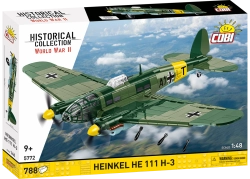
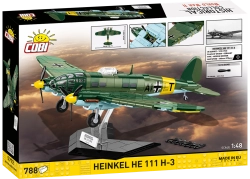
German medium bomber HEINKEL HE 111 H-22 with V1 missile COBI 5771 - Executive Edition WW II 1:48
| List Number: | COBI-5771 |
| EAN: | 5902251057718 |
| Warranty: | 24 months |
| Manufacturer: | COBI |
| Price excluding VAT: | 1 155,66 Kč |
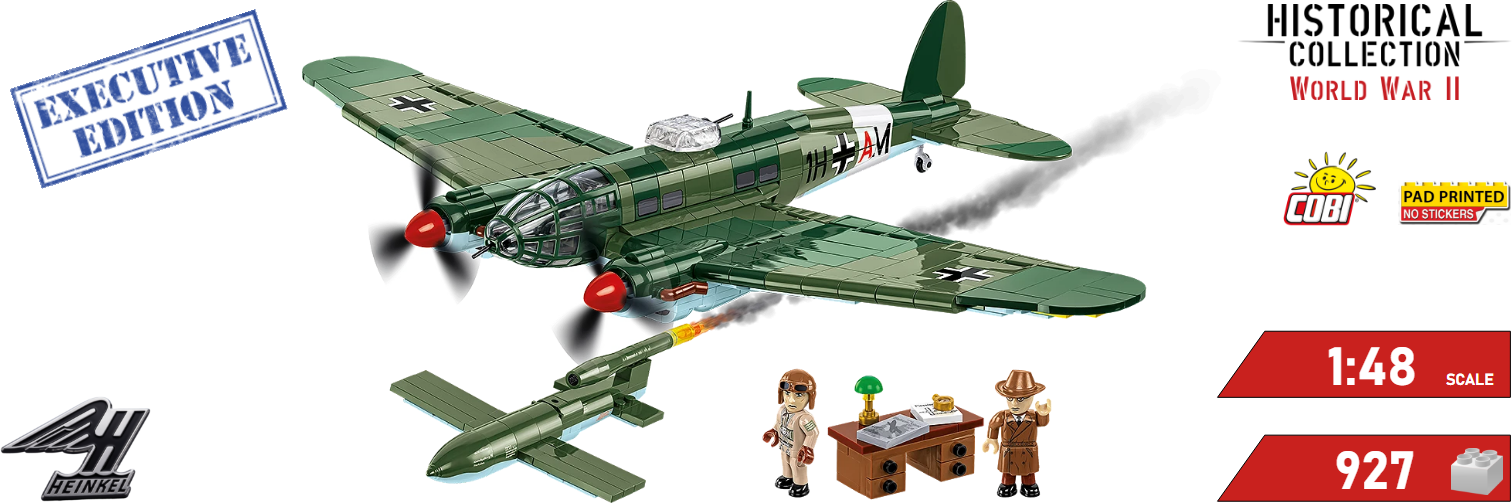
MODEL HEINKEL HE 111 H-22 & FLYING BOMB V1 (FIESELER Fi 103) | COBI 5771
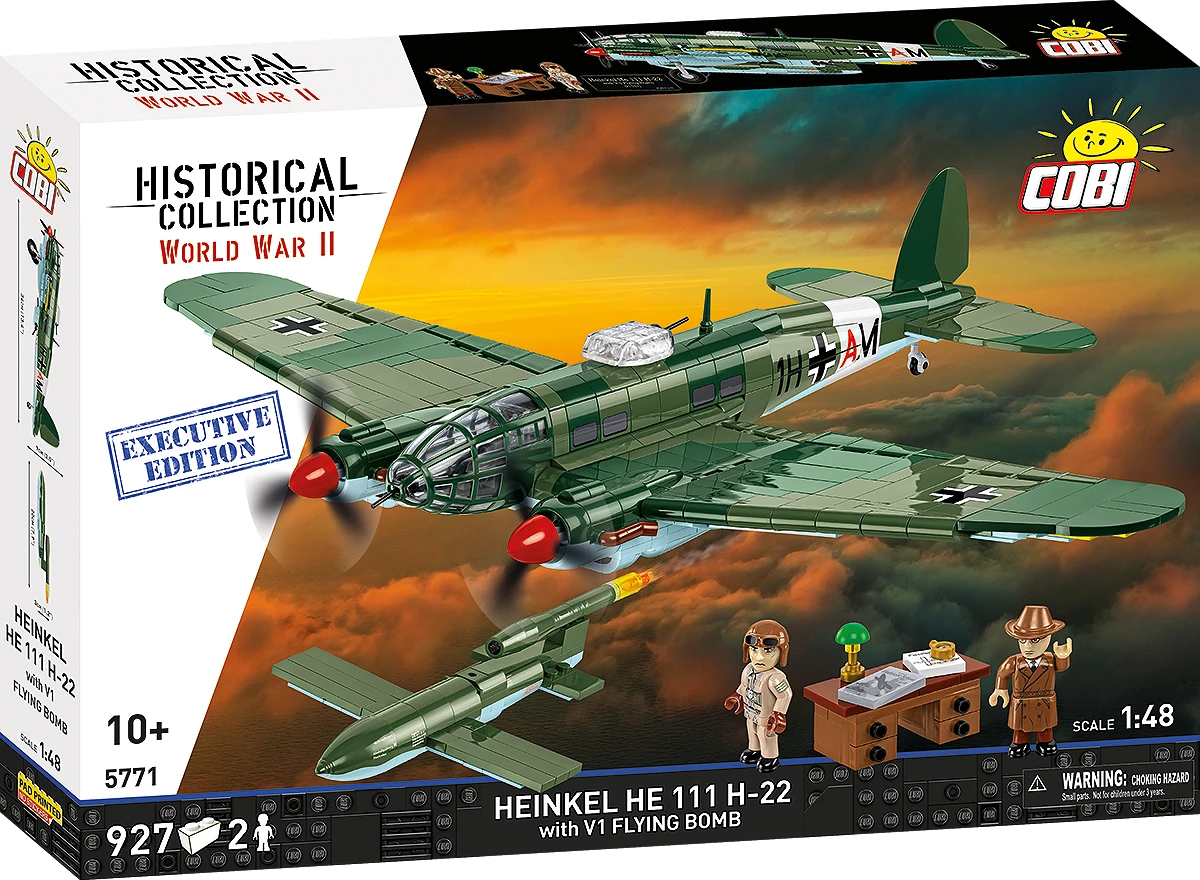
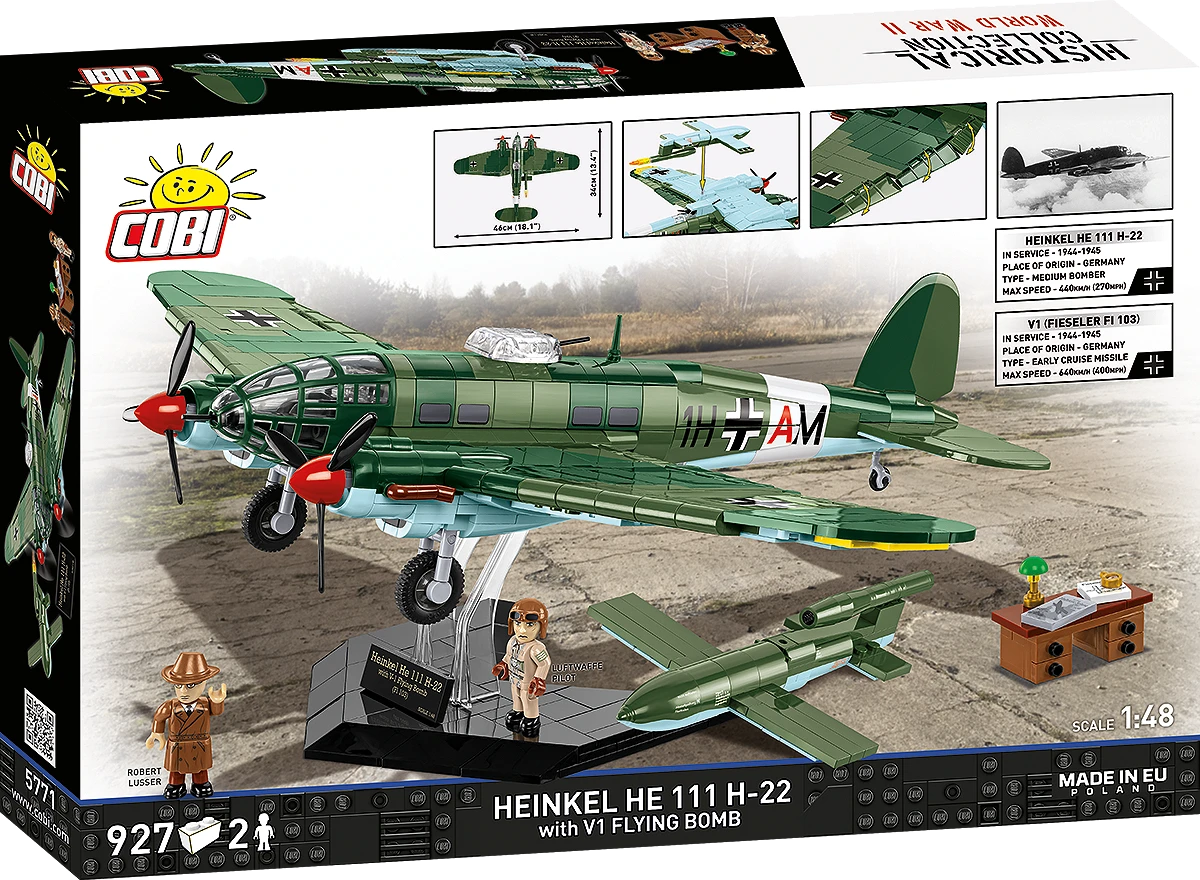
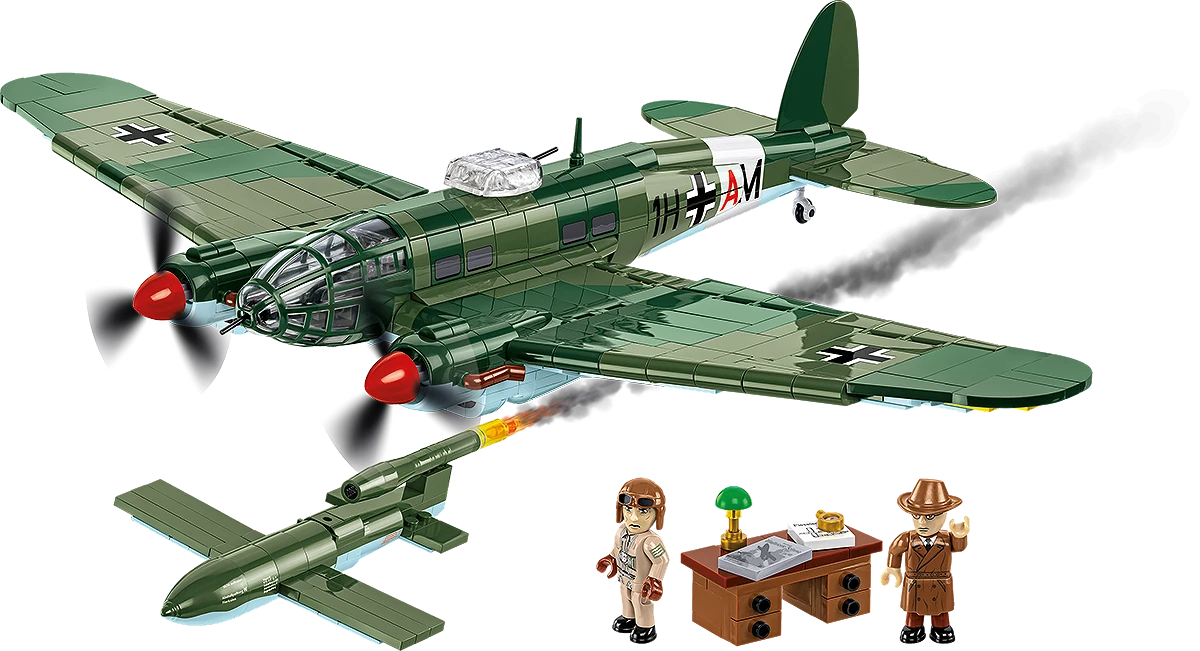
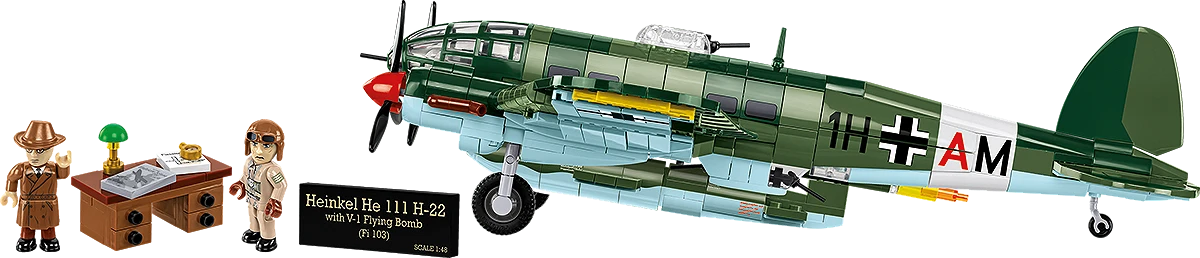
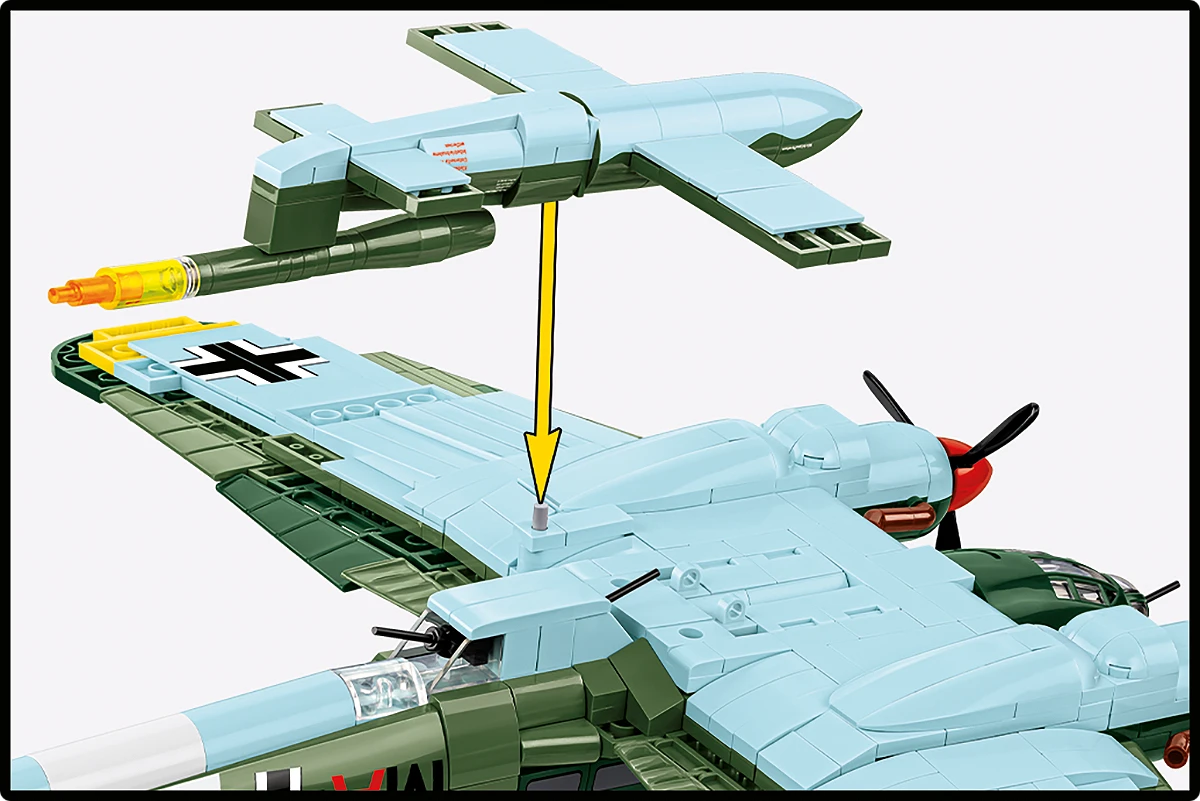
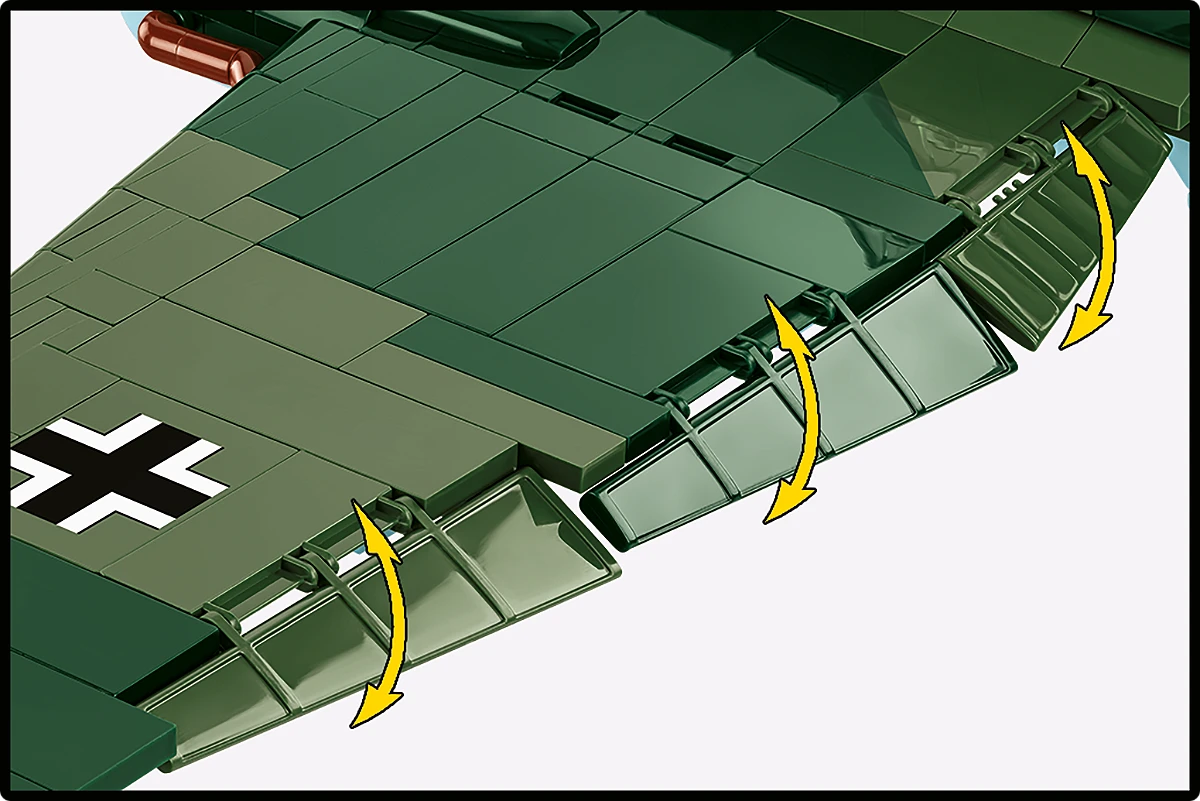
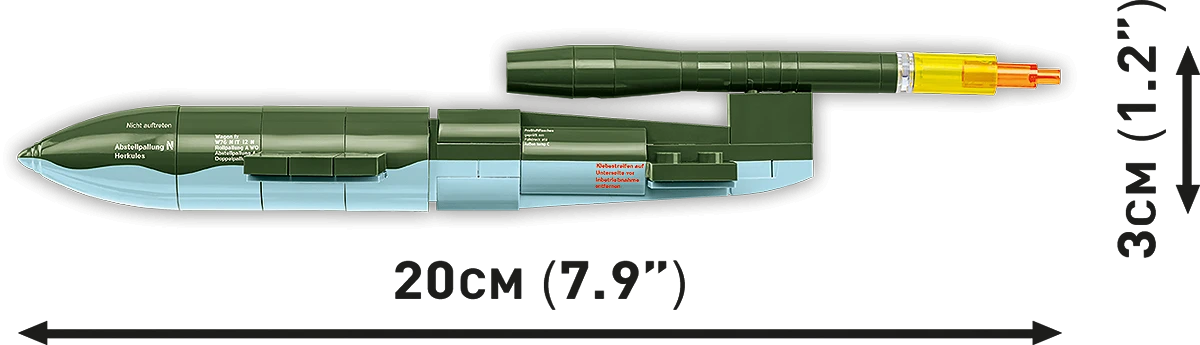
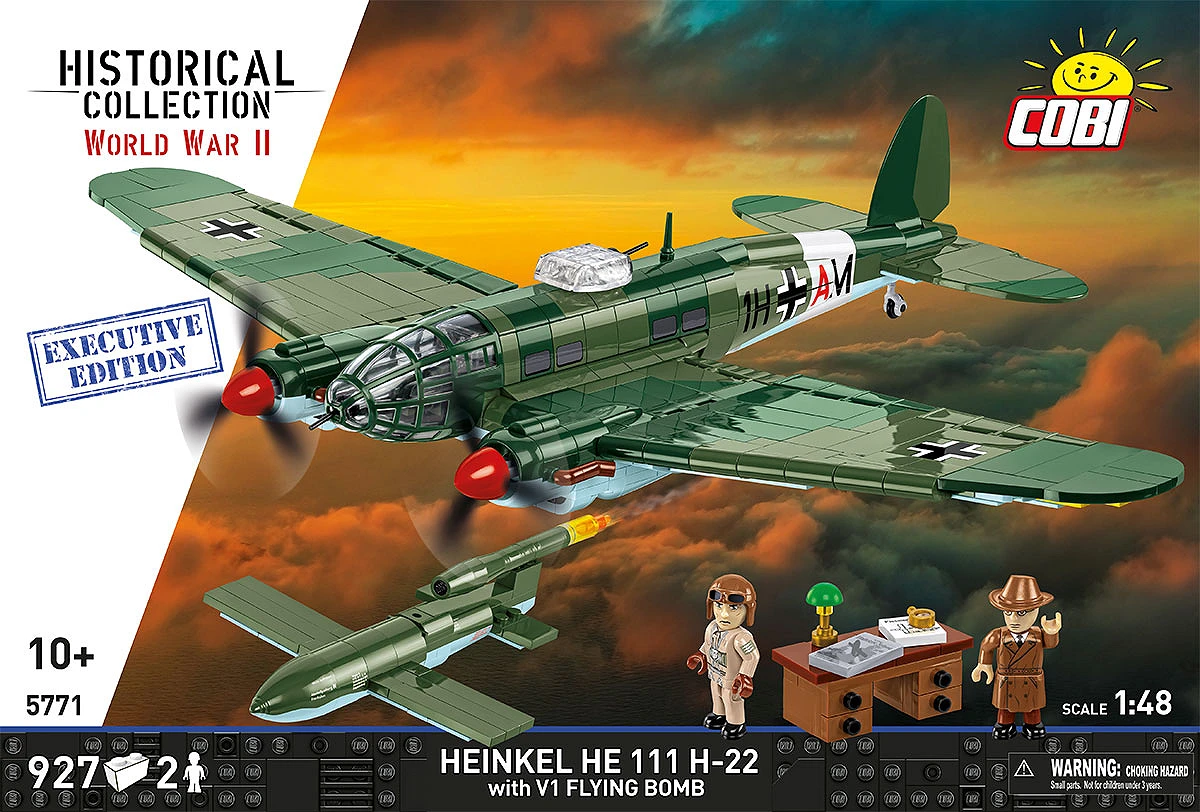
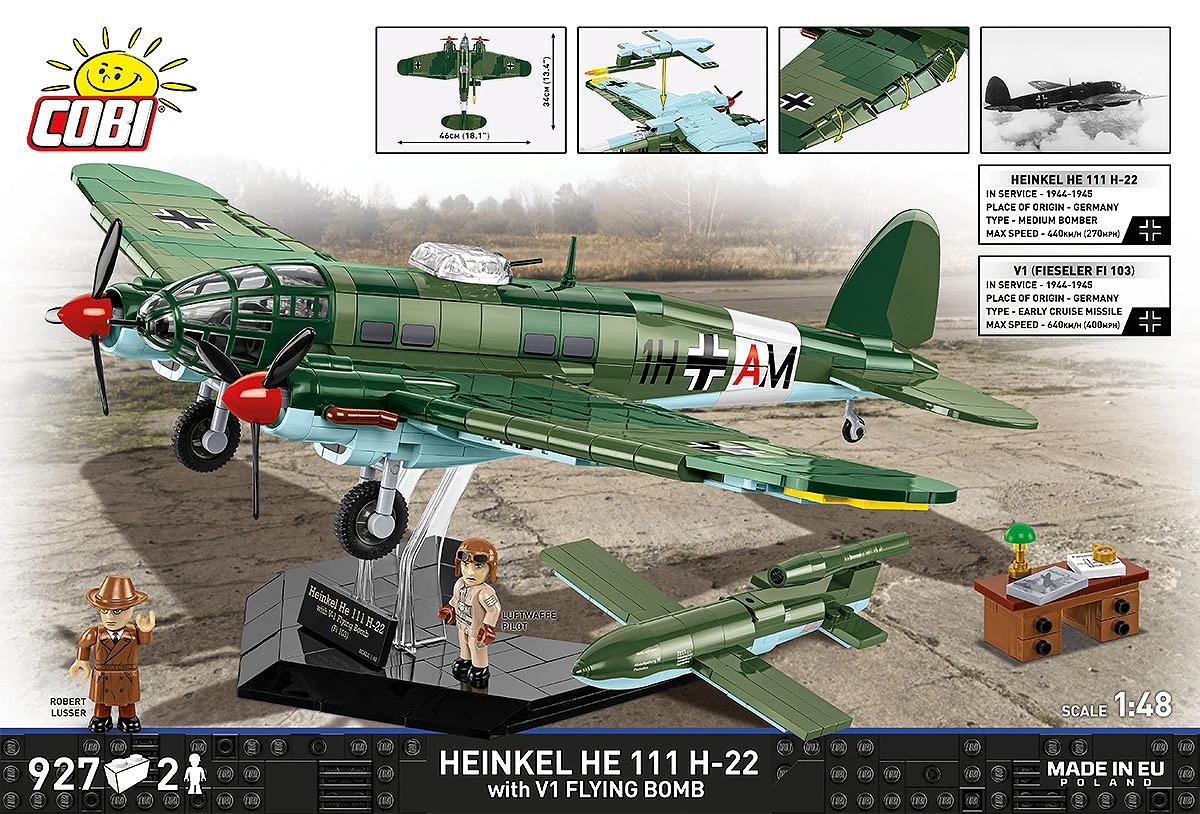
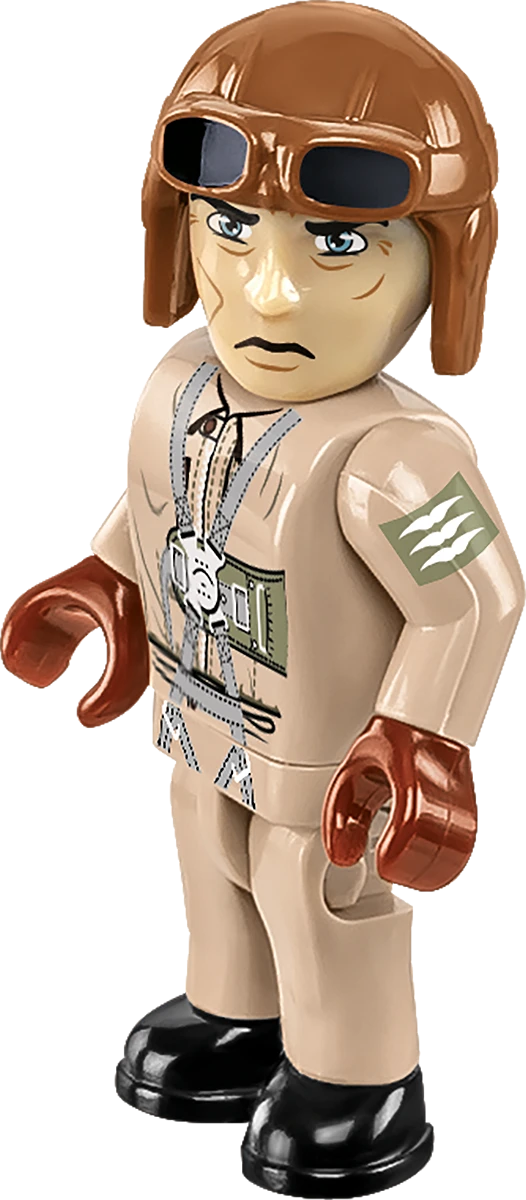
The Executive Edition set includes not only the aircraft model but also rich accessories. The package contains the Fieseler Fi 103 flying bomb known as the V‑1, a workbench with technical plans of the missile, a lamp, and a figure of the creator of the legendary bomb, Robert Lusser, wearing a long coat and hat. The second figure is Luftwaffe pilot Wilhelm Stemmler. The aircraft model features adjustable control surfaces, rotating propellers with red cones, a detailed glazed cockpit canopy, and removable landing gear legs. A nice detail is the rotating upper gun turret, tinted wingtips, and exhaust ends on the engine nacelles. The V‑1 missile can be mounted under the bomber. The assembled model can stand on its own landing gear or be safely placed on a sturdy double stand with a description.
Did you know: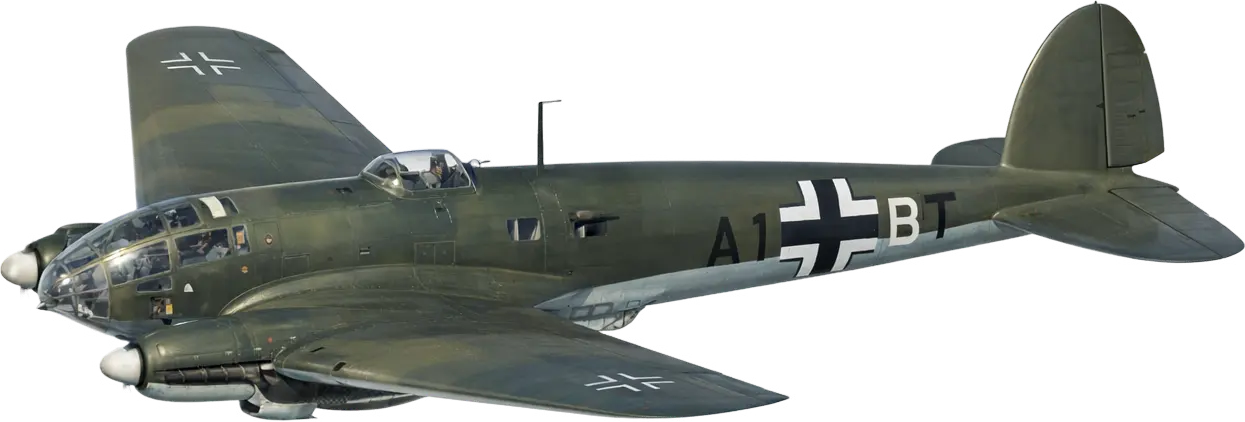
The talented designer Ernst Heinkel built his first successful aircraft entirely on his own while still a student. During one of the test flights in 1911, he was seriously injured, but it did not discourage him from aviation. Interestingly, the aircraft HE 111 was developed in the 1930s for pre‑war Lufthansa as a postal transport aircraft. For its time, the machine was exceptionally advanced. This is reflected in the enormous effort of German engineers, who spent a total of 200,000 hours on the design. They created the most modern and fastest aircraft of the 1930s.
During its first flight in 1932, it broke several records, reaching a speed of 380 km/h with BMW engines. By the way, it is thanks to the production of aircraft engines that BMW uses the “Doppel Blitz” emblem representing a propeller, just as we know it today. When Luftwaffe chief Albert Kesselring visited Heinkel’s office in 1933, he immediately demanded the creation of military versions and expansion of production after inspecting the aircraft. For the first HE 111 bombers, a new Lofte 7 bombsight was developed, equipped with exceptionally high‑quality optics.
The H‑21 and H‑22 versions were modified to launch V‑1 flying bombs, which terrorized London from 1944. Germany chose the tactic of launching missiles from aircraft after the destruction of launch ramps in the Netherlands. These bombing missions were very unpopular among crews. After takeoff near Den Helder, the aircraft descended to the lowest possible altitude to hide from British radar. Low‑level flight was dangerous — several crews crashed into rolling waves, others were shot down on their return. Every crew member had to wear full gear — a parachute and a life vest, which made movement in the already cramped cockpit difficult. The vest was only a psychological aid; no case is known where a crew survived impact with the water surface.
A total of 6,508 units were produced in various versions.
Technical specifications of the Heinkel HE 111: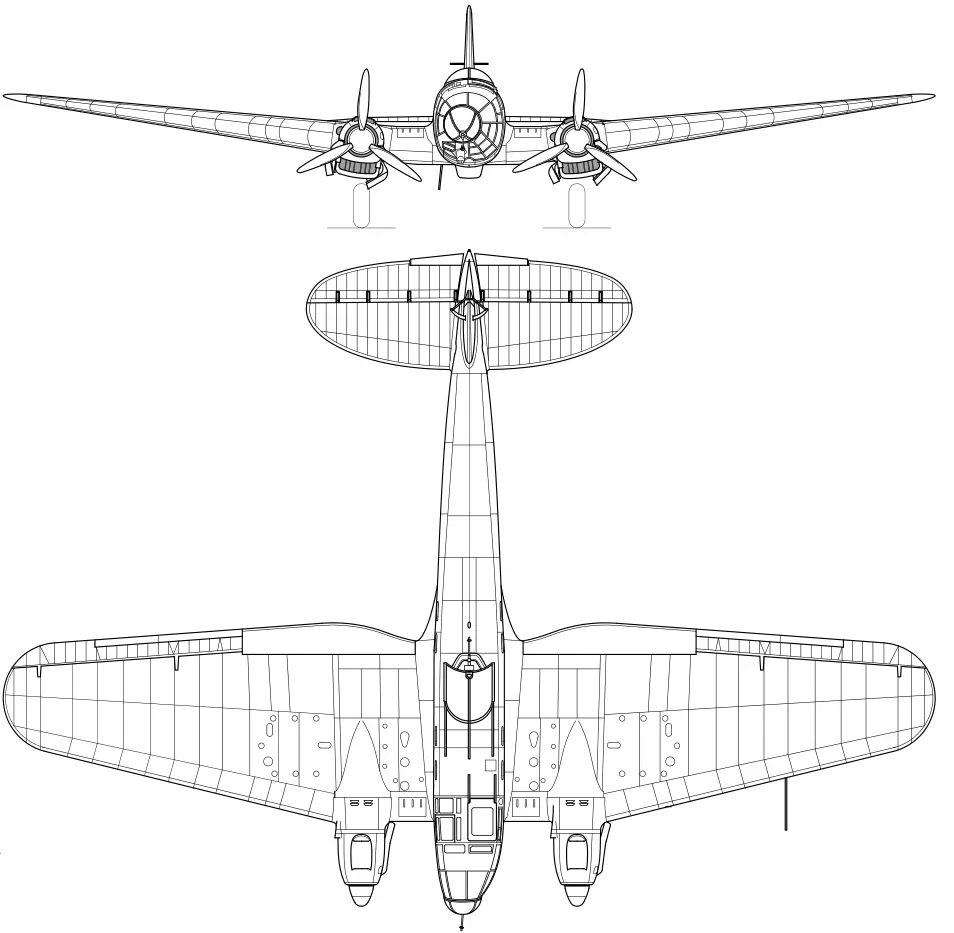
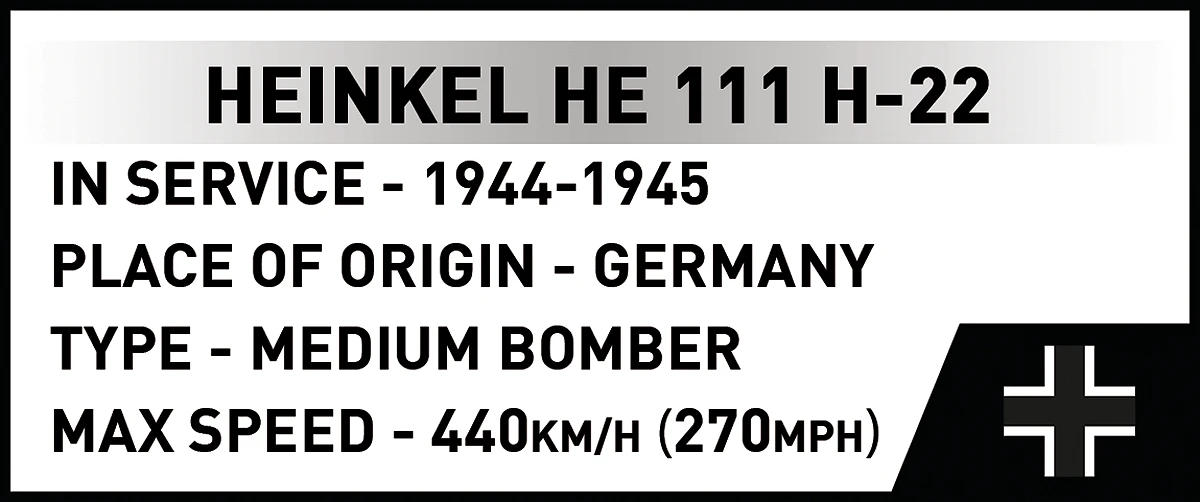
- wingspan 22.6 m, length 16.6 m, height 4.2 m
- empty weight 7,720 kg
- maximum takeoff weight 12,030 kg
- powerplant: 2 × 12‑cylinder inline Daimler‑Benz DB 601 A‑I engines, each producing 1,100 hp
- maximum speed 440 km/h
- range 2,400 km
- rate of climb 2.4 m/s
- service ceiling 7,800 m
- armament: 4–5× MG 15 machine guns (7.92 mm) + 3,306 kg of bombs or a Fieseler Fi 103 missile
Technical specifications of the V‑1:
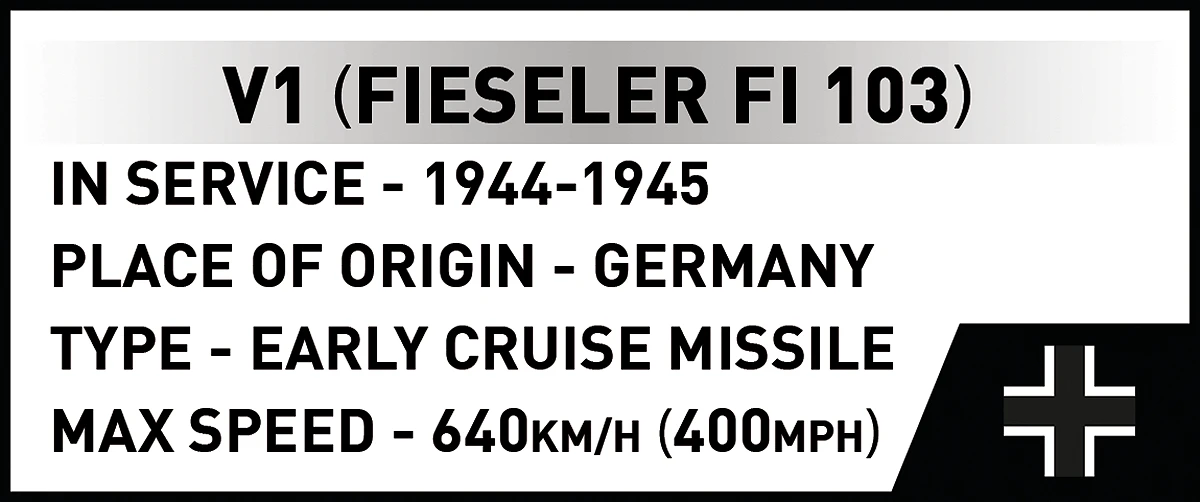
- Dimensions: wingspan 5.37 m, length 7.9 m, height 1.42 m
- Body diameter 1.42 m
- Weight 2,150 kg
- Warhead Amatol‑39 weighing 820–850 kg
- Powerplant: pulsejet engine with 50 Hz frequency, Argus AS 109‑014
- Maximum speed 640 km/h
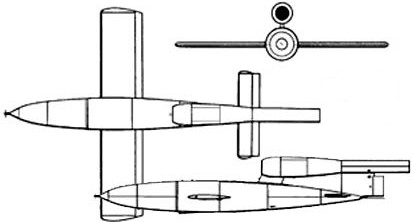
- Range 250 km
- Ballistic altitude 600–900 m
- Fuel capacity 500 l of gasoline
From the memories of pilot Wilhelm Stemmler:
“Flying the Heinkel during Operation Rumpelkammer was an extremely technically demanding and dangerous duty. We had real fears about three things. First, the takeoff with an asymmetrically mounted V‑1 missile. The aircraft was overloaded. One wrong gust of wind and the poor fellow ended up in flames at the end of the runway. Second, the V‑1 itself. Several times it failed to detach from the aircraft, yet its engine ignited. Third, the British Mosquito aircraft. One well‑aimed projectile at the V‑1 and its 80‑octane fuel ignited instantly. If the observer failed to release the missile immediately, a fatal explosion followed within seconds.”
About the COBI building set:
- the COBI 5771 set is made of 927 high‑quality ABS bricks
- number of figures: 2
- collection World War II
- scale 1:48
- pad printed – no stickers
- highly detailed
- made in the EU
- compatible with other building block brands
- recommended age 10+
| Version (series) | 04/2026 |
|---|---|
| Recommended age | 10+ |
| Package weight | 1080 g |
| Scale | 1:48 |
| Number of figurines | 2 pcs |
| Box dimensions | 45 x 30 x 6 cm |
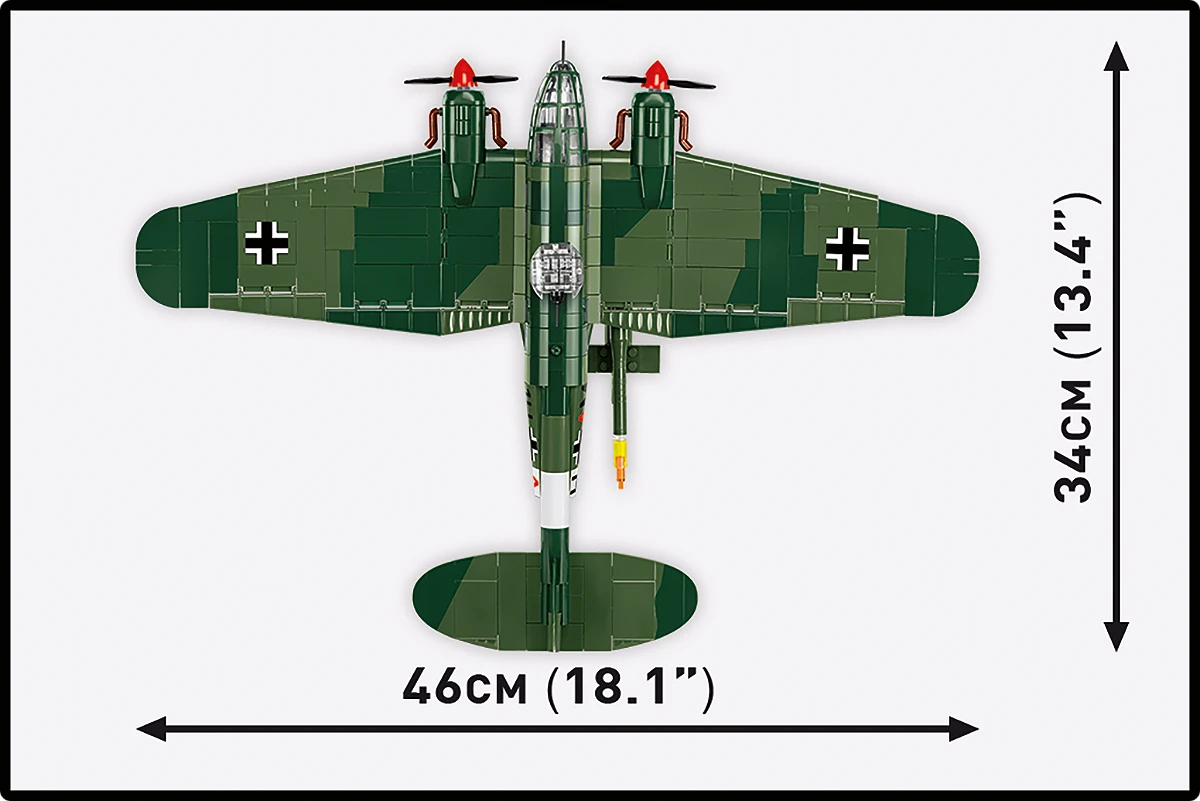
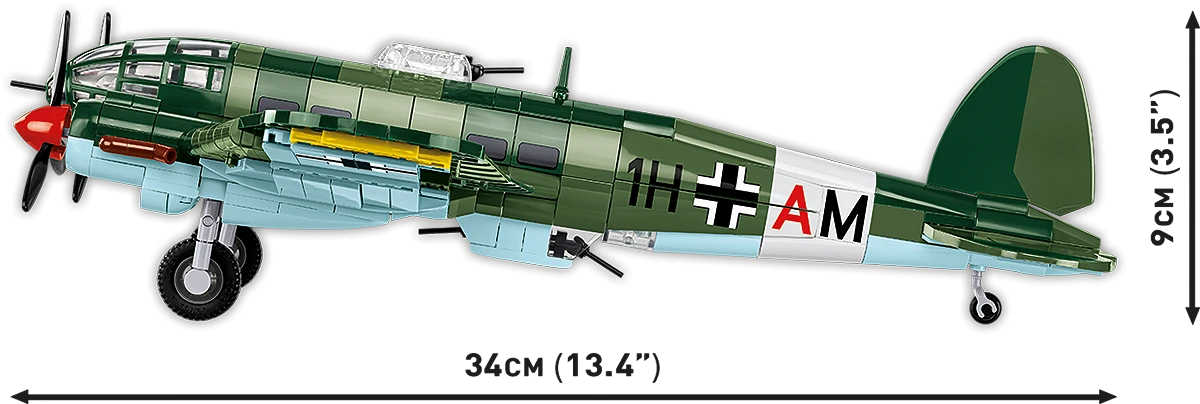
| Dimensions after assembly | 46 x 34 x 9 cm |
| Number of pieces | 927 pcs |
| Compatible with other brand of kits | Ano |
| Contains luminous blocks | Ne |
| Material | Plast |
| Collection | World War II |
Related items






+ Skvělá komunikace
Všechno proběhlo bez problémů.
+ Rychlost dodání
- Nic
Velmi rychlé dodání.Úplná spokojenost.
+ Rychlost zpracovani i odeslani zasilky
+ Rychlé a solidní jednání.

COBI kit scales: how they work and why they matter
COBI building sets are known for their emphasis on realistic representation of both military and civilian vehicles. One of the key parameters that influences the final model is the scale of the ...
Read whole
The story of COBI building kits - European quality that conquers the world
When people hear the phrase plastic building blocks, most automatically think of the legendary LEGO brand. In recent years, however, the European brand COBI has also been gaining increasing popularity, ...
Read whole




Cobishop - Ondřej Vašťák
náměstí Hrdinů 109,
68603 Staré Město,
Česká republika