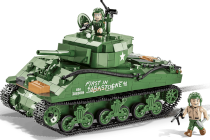


























German Tank Panzer V Panther & Soviet Gun 152 mm ML-20 (COBI 3144) - Limited Edition
| List Number: | COBI-3144 |
| EAN: | 5902251031442 |
| Warranty: | 24 months |
| Manufacturer: | COBI |
| Price excluding VAT: | 1 734,20 Kč |
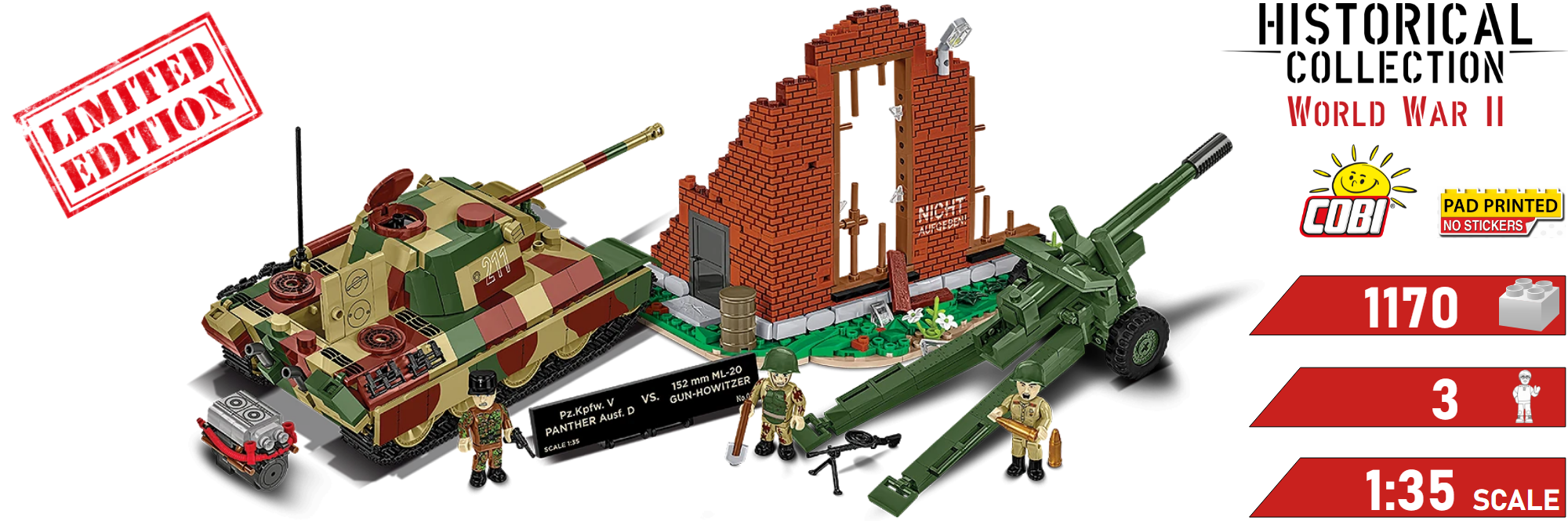
PANZER V PANTHER & 152mm ML-20 | COBI® 3144
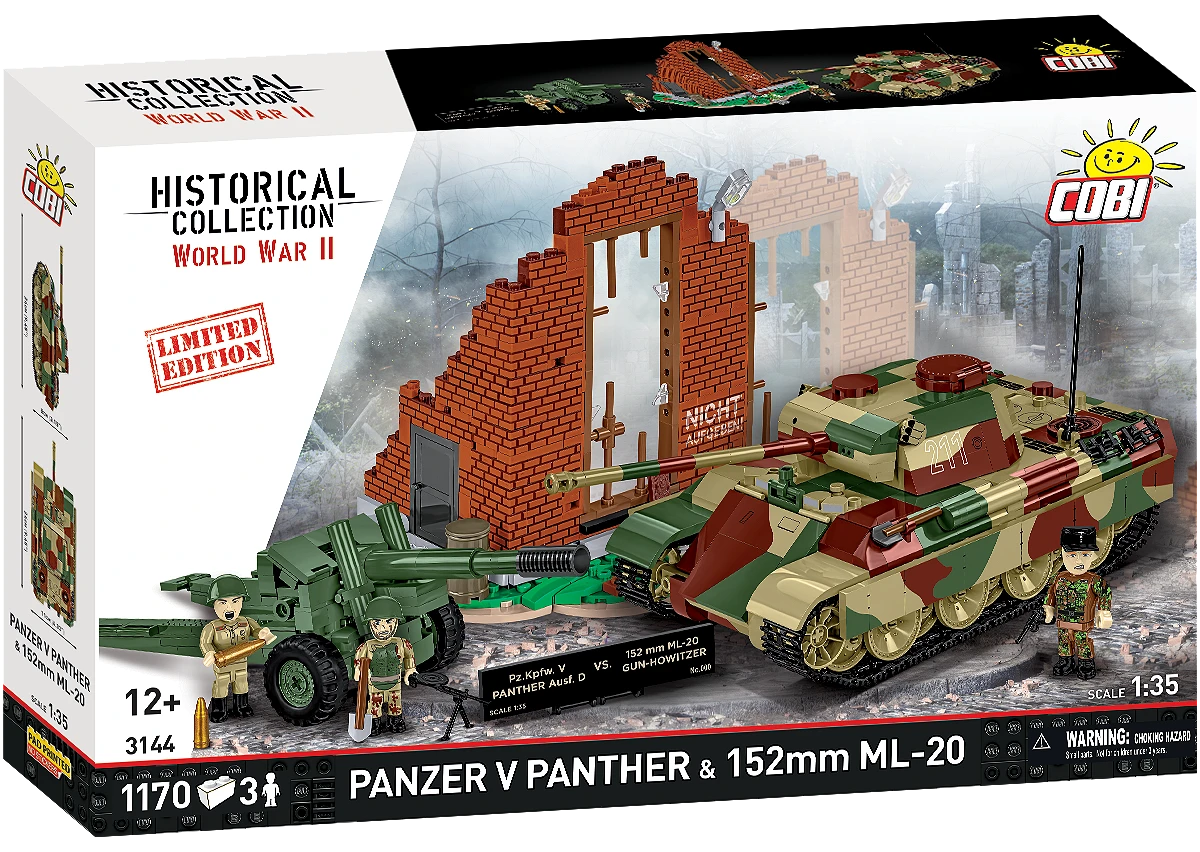
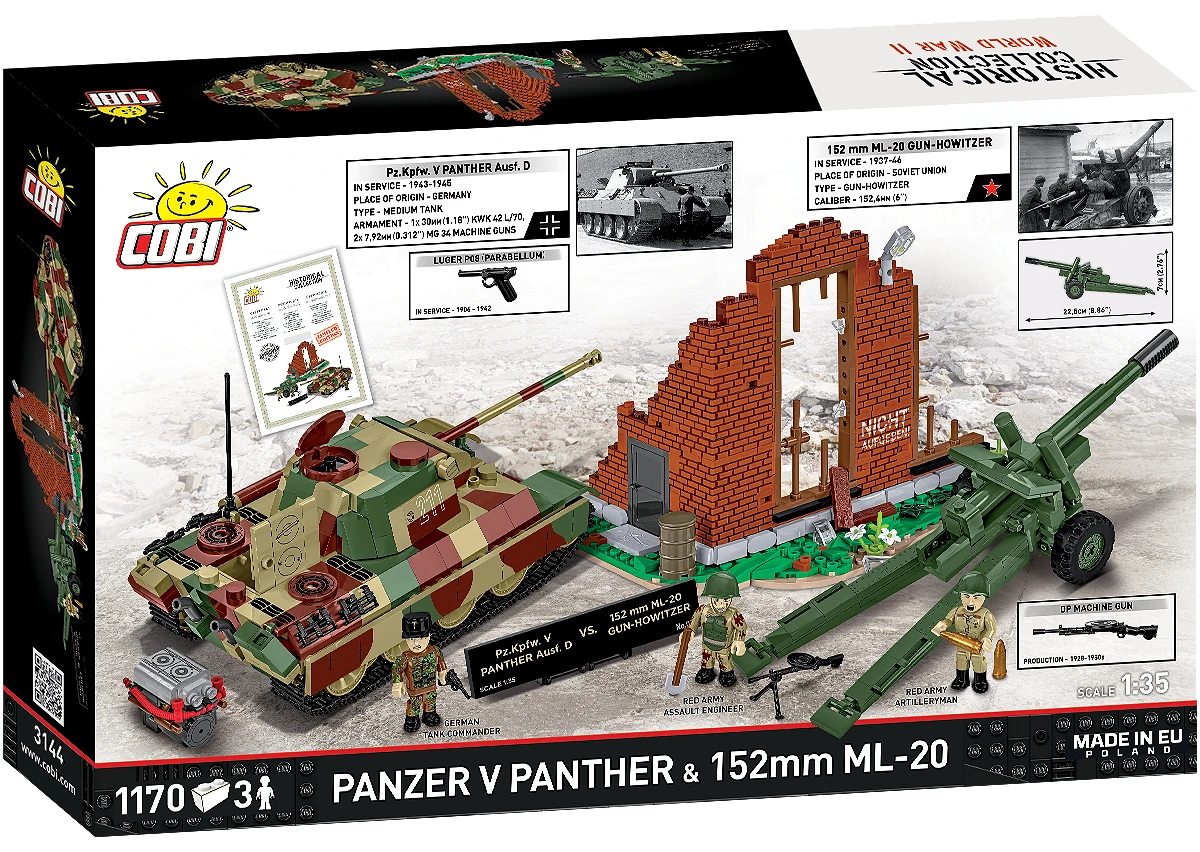
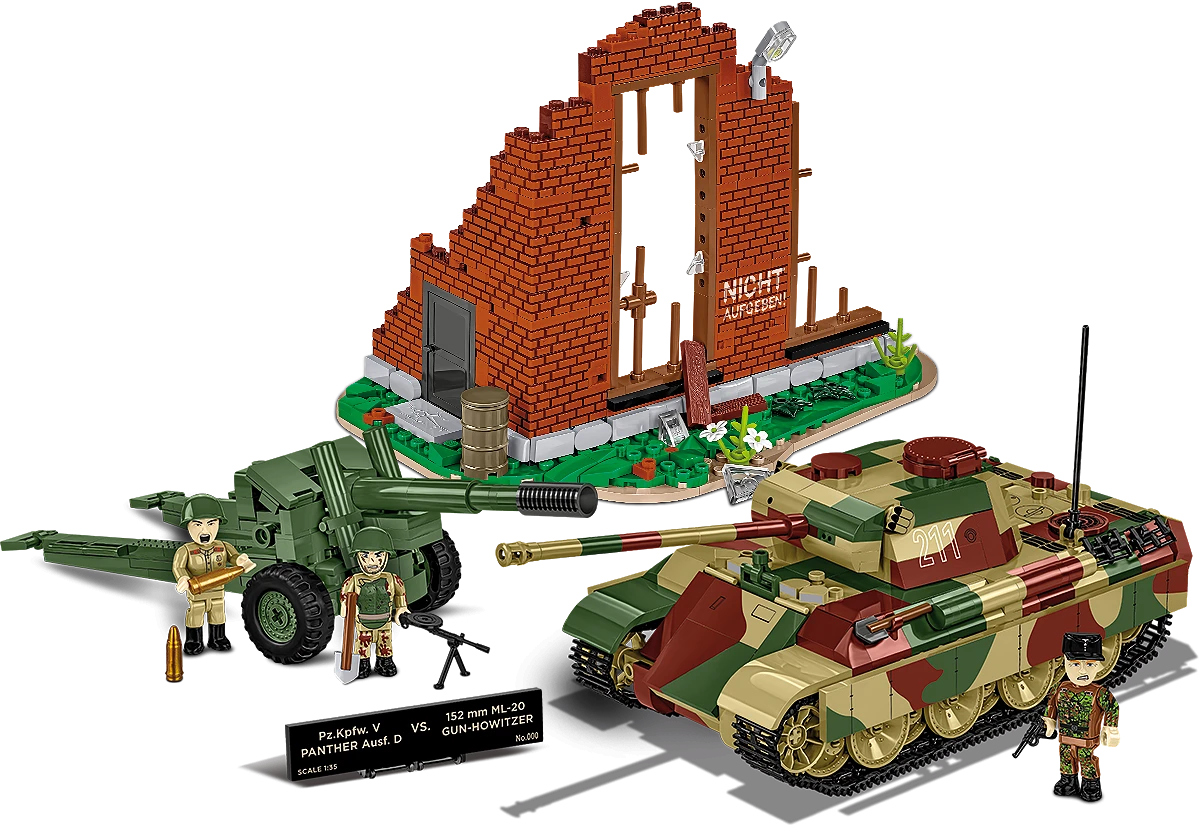
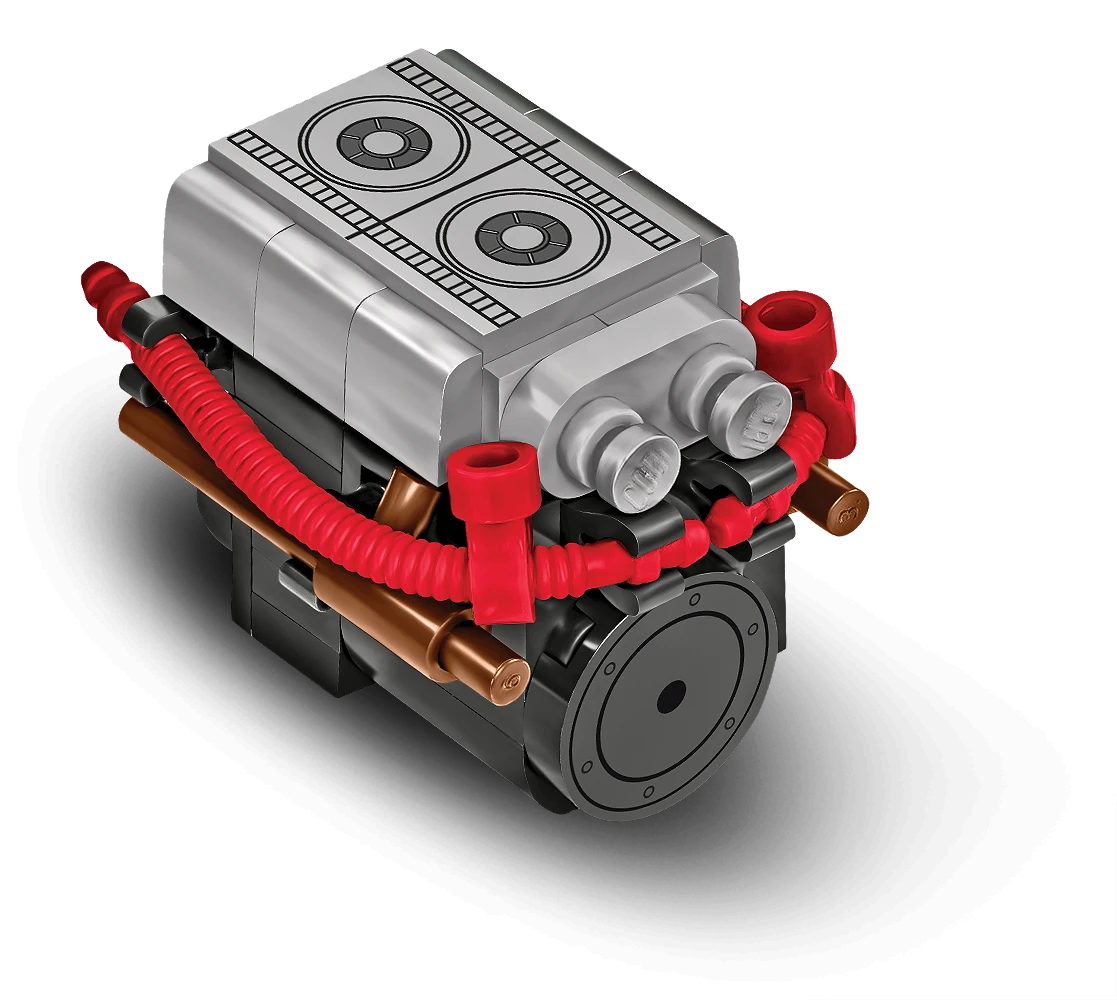
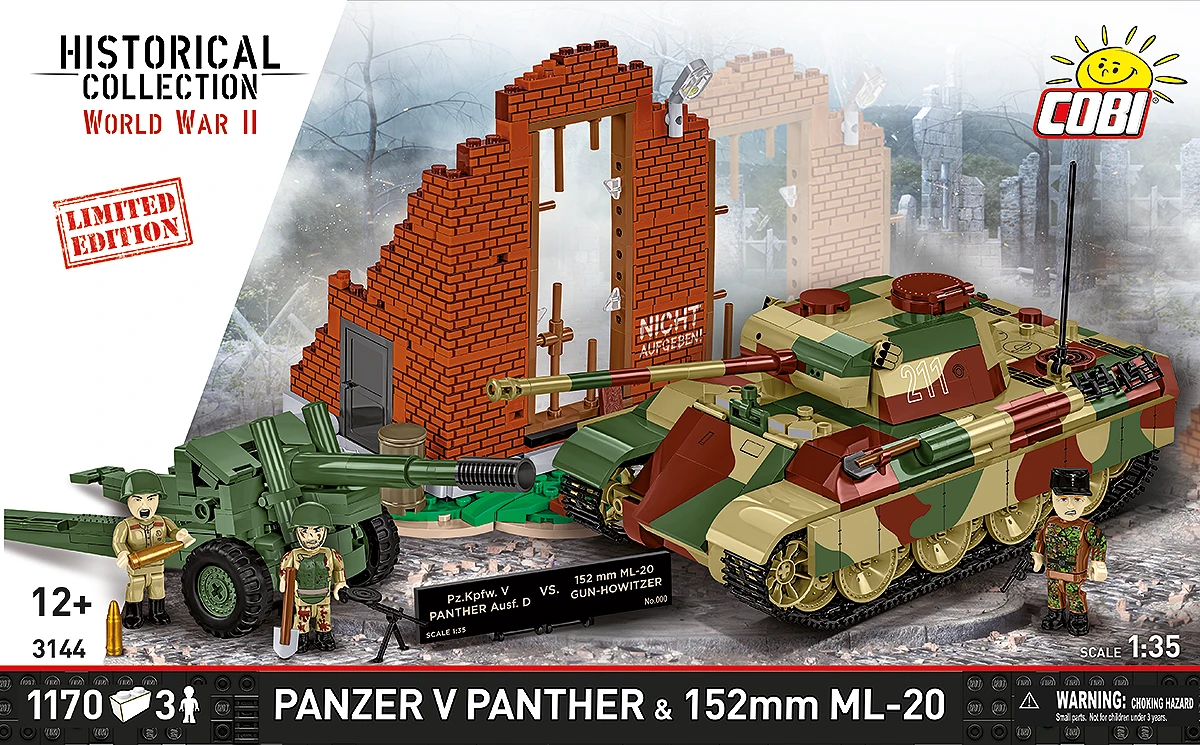
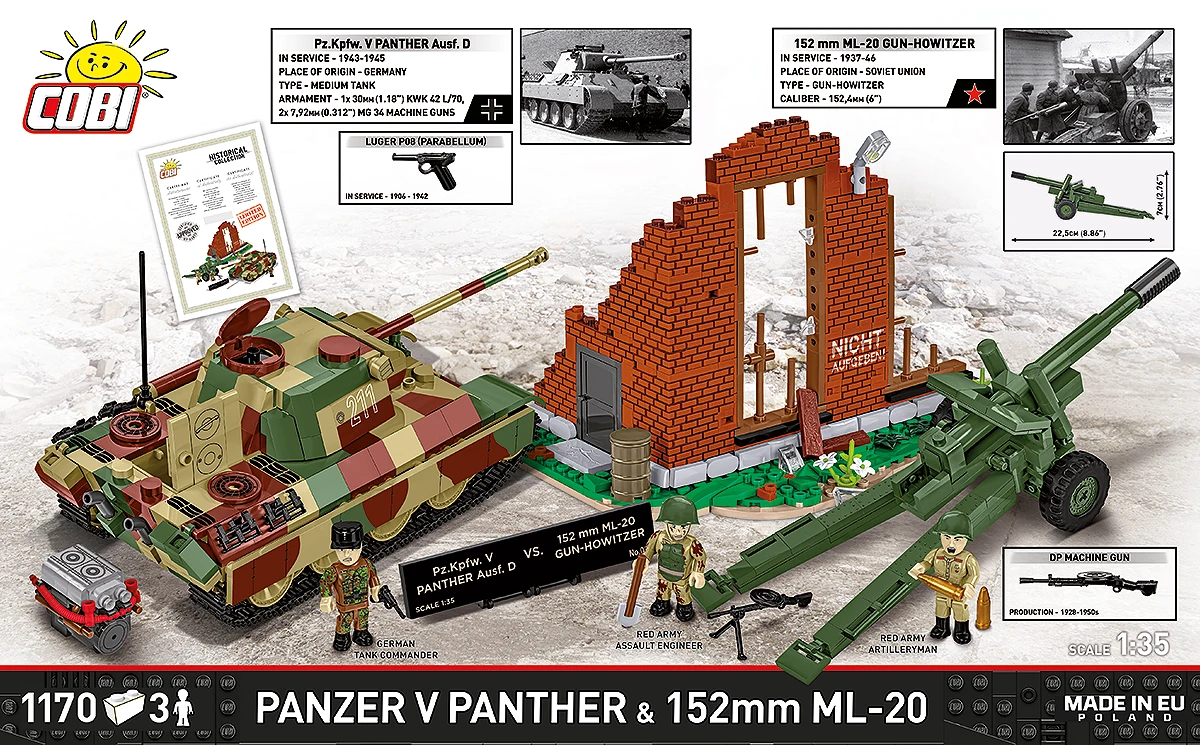
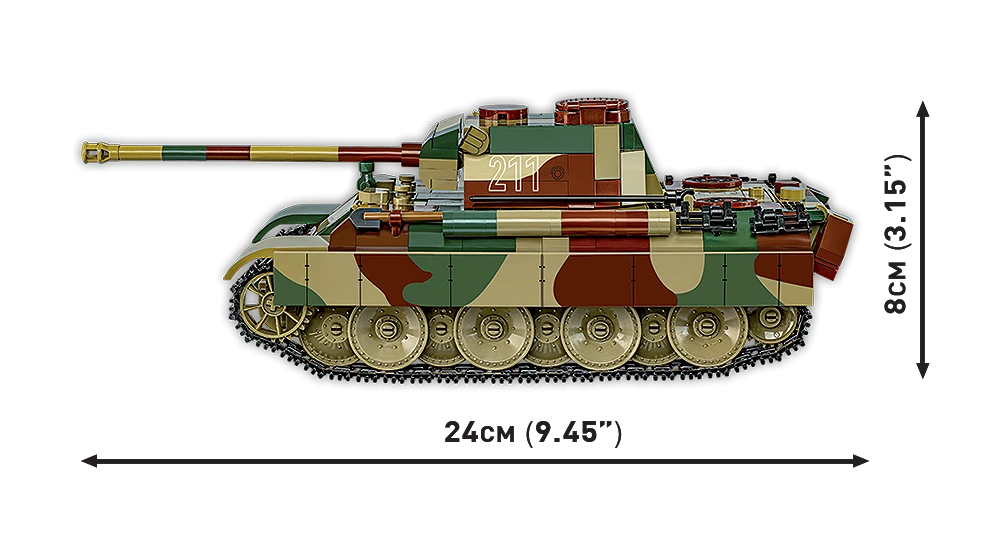
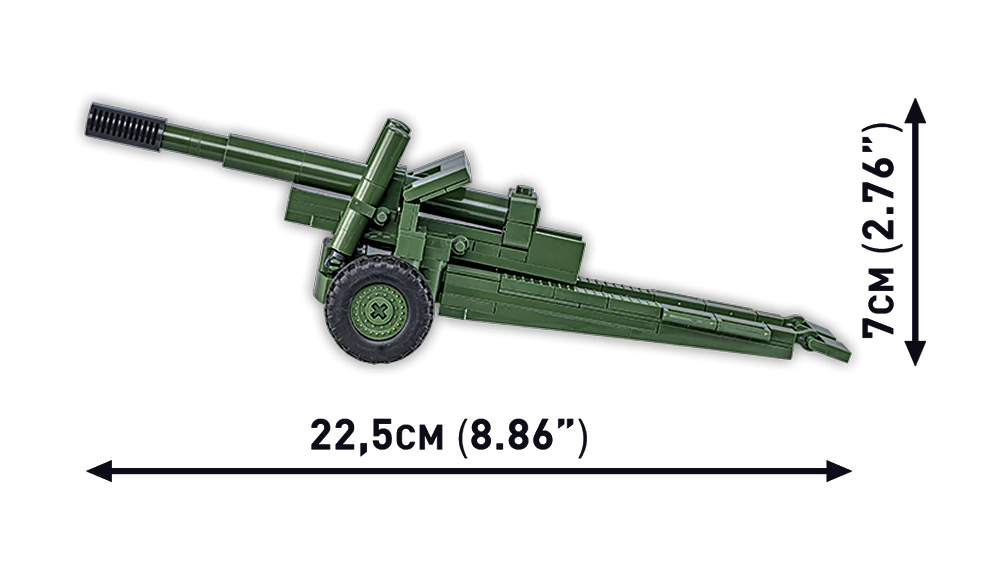
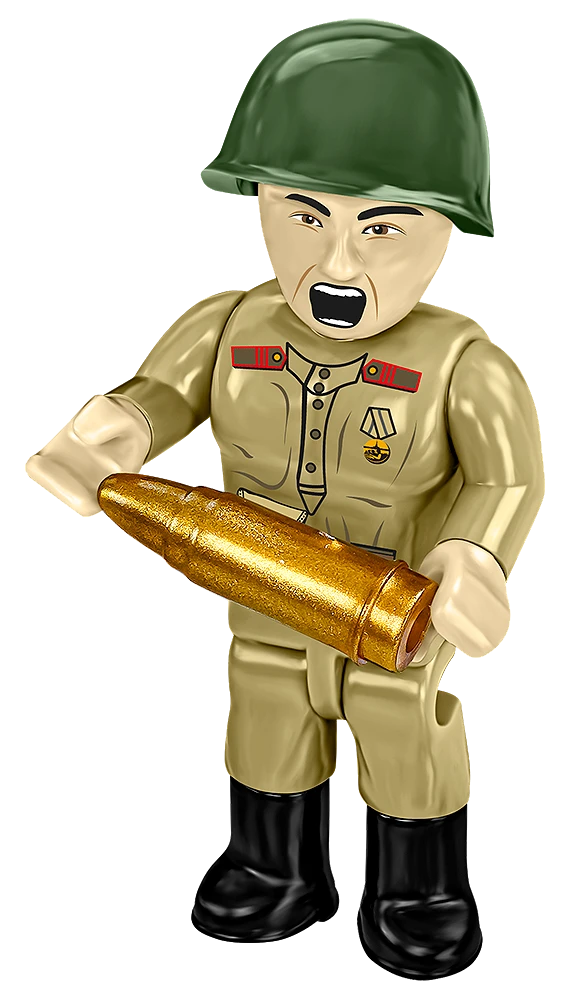
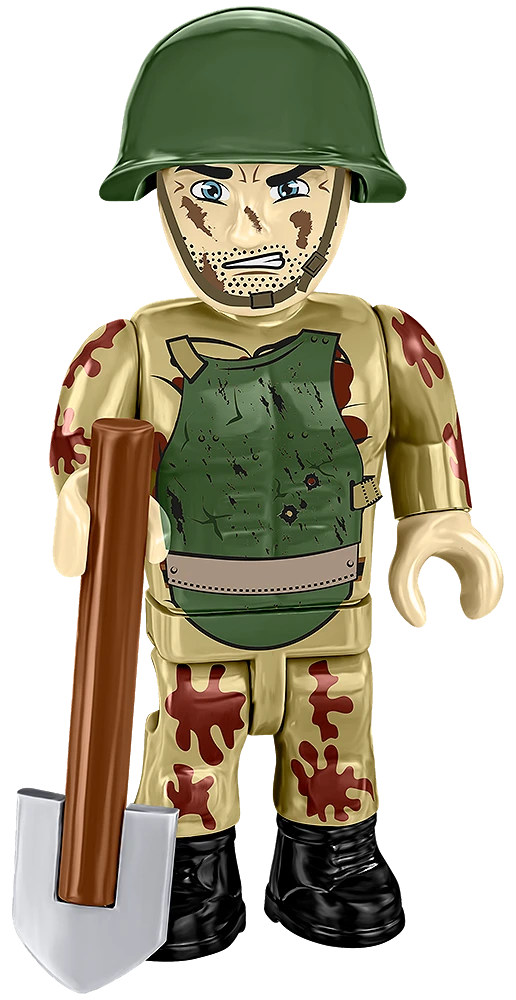
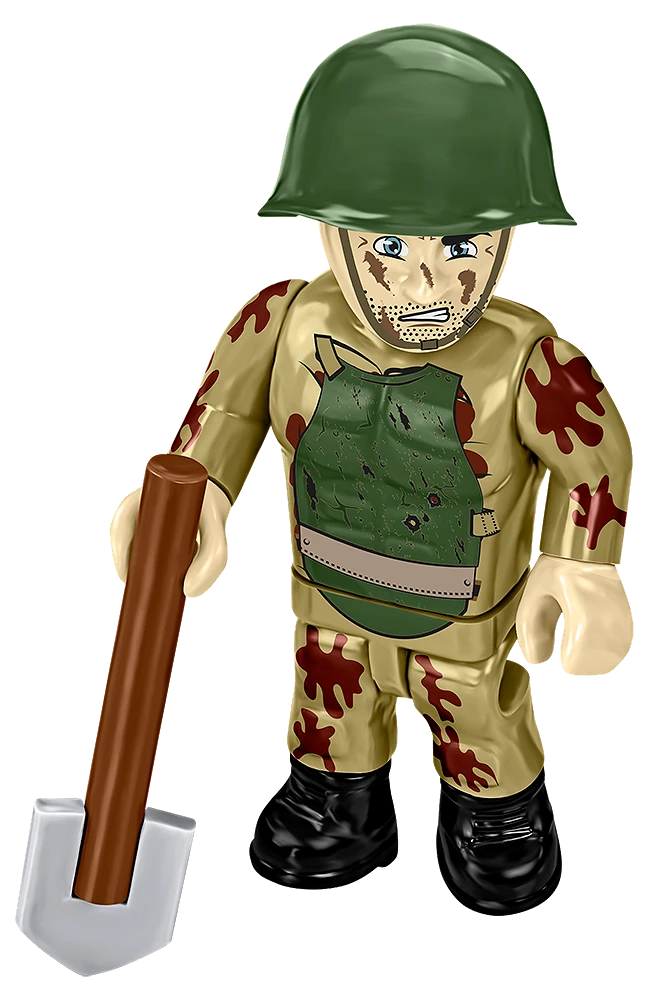
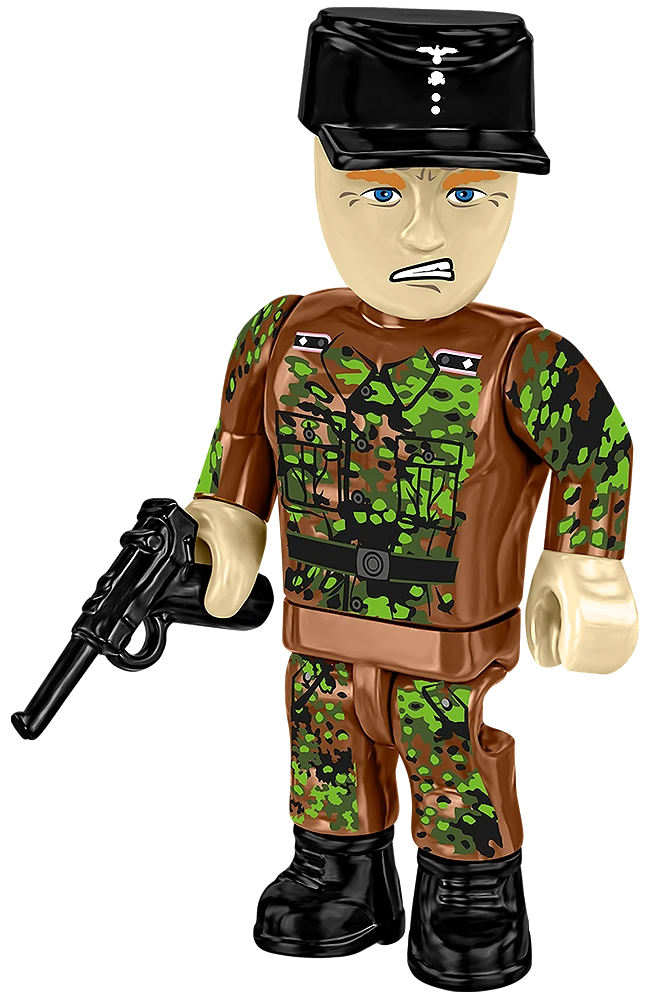
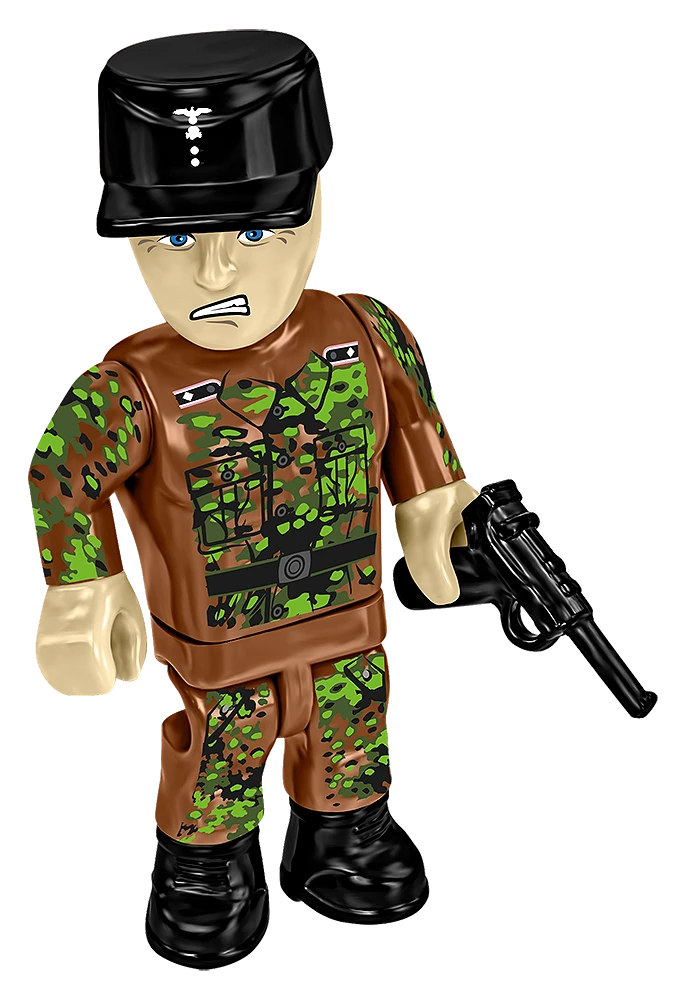
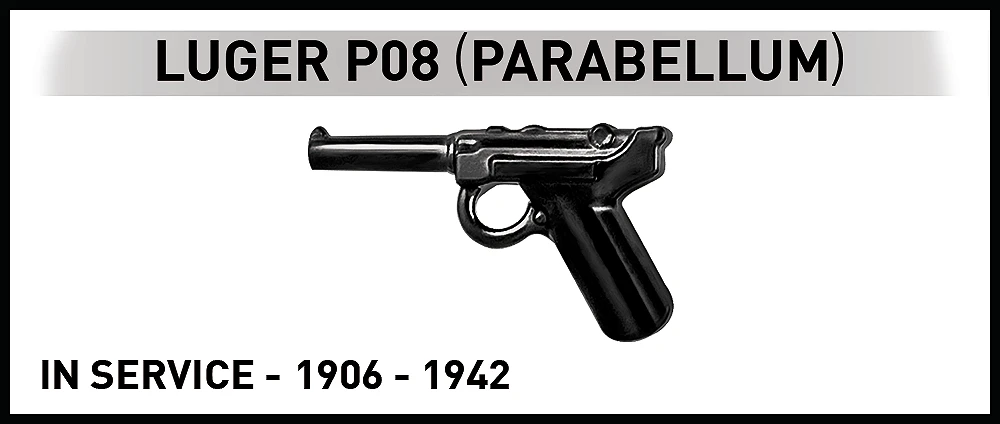
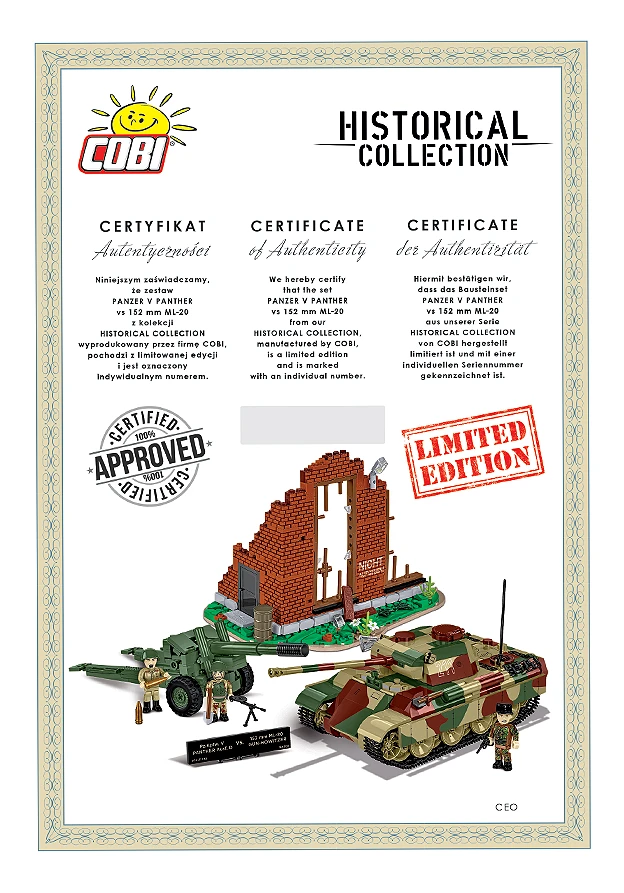
The diorama set captures the moment Soviet forces entered the territory of the Third Reich near the town of Schirwindt in October 1944 during the Gumbinnen Operation. This Limited Edition set includes a German Panther tank, a Russian ML-20 howitzer, and factory ruins with a lamp. The inscription on the wall "Nicht Aufgeben" (never give up) highlights the desperation of retreating Germany. The tank features a rotating turret with adjustable gun elevation and an opening hatch on the commander's cupola for easy figure placement. Under the rear engine cover lies a Maybach engine that can be removed from the model and displayed separately. A shovel and spare track links are mounted on the sides of the tank. The tracks are fully functional, allowing the model to roll smoothly. The Russian gun-howitzer features folding trail legs, adjustable elevation, and with minor adjustments can be hitched to a tank or vehicle from the COBI collection. A striking detail is the black muzzle brake. The set includes a German tank commander figure with a Luger pistol, a Russian combat engineer figure with an SSH-40 helmet, a Red Army artilleryman figure with a 152 mm shell, and a certificate with a unique production number verifying the product's authenticity.
Did you know that: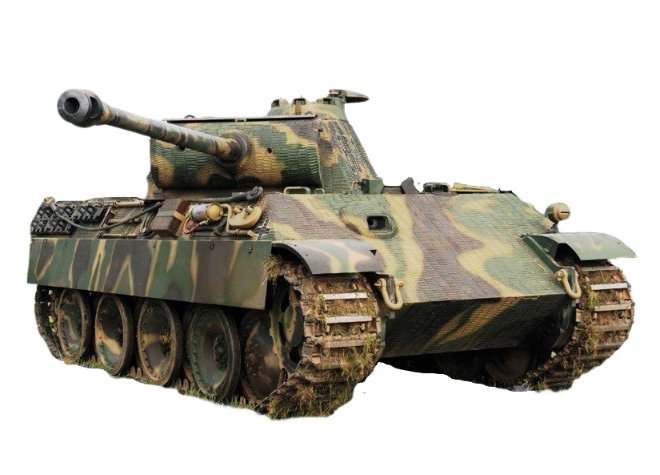
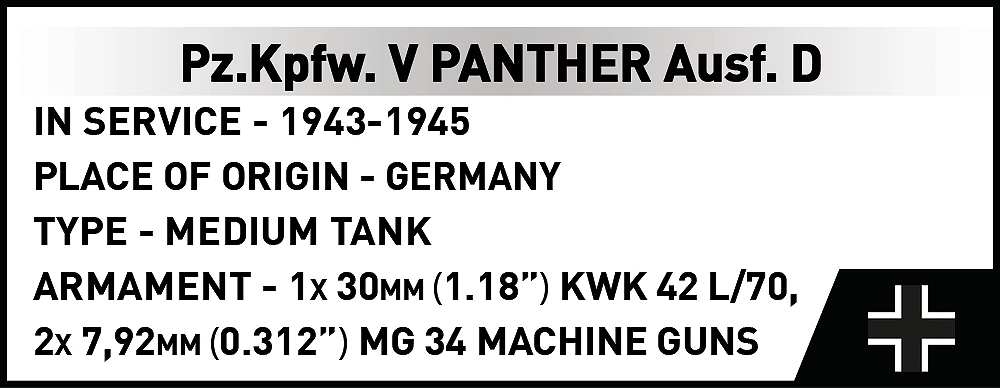
The Panther tank, also designated SdKfz 171, was developed in 1942 in the design bureaus of MAN and Daimler-Benz based on combat experience from the Eastern Front. In just 17 weeks, the first prototype was completed of what is widely considered one of the best medium tanks of World War II. Many engineering solutions were copied from captured T-34 and KV-1 tanks, such as sloped armor and wide tracks. A major improvement was the double-differential steering transmission, which allowed the tank to pivot in place.
Two designs were reportedly presented to the armaments commission for production approval. The MAN solution was ultimately chosen because Daimler's proposal strikingly resembled the Soviet T-34, which was completely unacceptable for German propaganda.
The new tanks saw their first combat deployment at the Battle of Kursk. The muzzle blast and recoil energy were so immense that crews were strictly forbidden from firing without an active recoil brake. The drawback was that firing had to be paused after a few shots to allow the recoil system to recover. For the first time in a German tank, an automatic engine compartment fire suppression system was installed; however, even a tank like the Panther had its weaknesses. Many crews reported difficulties turning the turret when parked on steep inclines. This prompted continuous design modifications and refinements. Additional complications arose from smoke dischargers mounted on the turret, which often detonated accidentally, blinding the crew's view of the battlefield. Later variants omitted them entirely.
Nearly all production vehicles were coated with a special Zimmerit anti-magnetic paste intended to prevent magnetic anti-tank mines from adhering to the hull. Germany planned further variants, including the Panther II with reinforced armor, the Panther Ausf. G with a redesigned turret, and the Coelian anti-aircraft vehicle. Mass production of these variants never materialized before the war ended.
In total, over 6,000 units across various variants were produced.
Panzer V Panther Technical Specifications: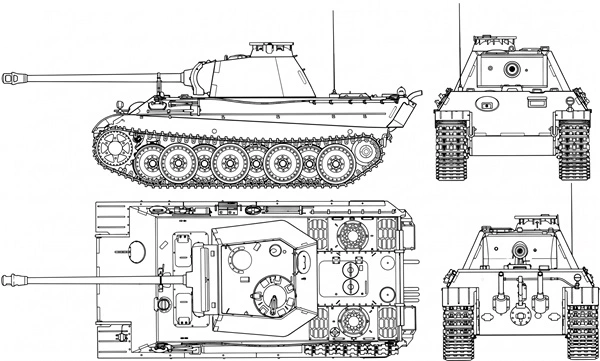
- dimensions: length 6.87 m, width 3.27 m, height 2.99 m
- weight: 45,500 kg
- armor: up to 110 mm
- power unit: Maybach HL230 P2 V12 gasoline engine delivering 515 kW
- transmission: 7 forward + 1 reverse gears
- top speed: 55 km/h
- operational range: 200 km
- fuel tank capacity: 730 liters
- fuel consumption: 350–370 L/100 km on road, up to 700 L off-road
- main armament: 75 mm KwK 42 L/70 gun (82 rounds) secondary armament: 2x 7.92 mm MG 34 machine guns (5,100 rounds)
- crew: 5
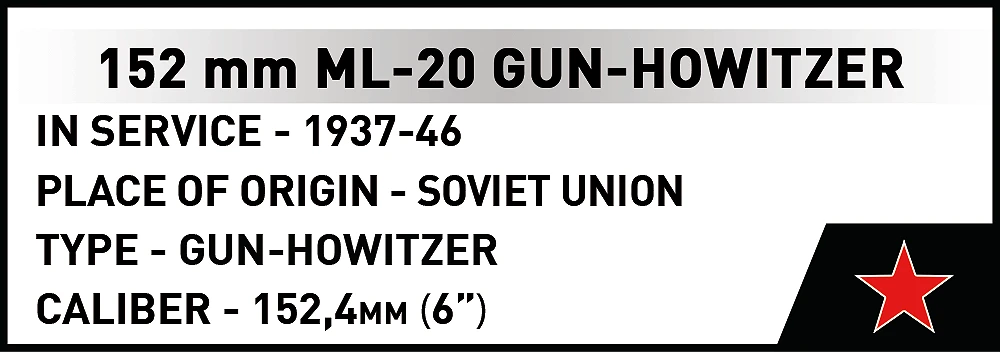
ML-20 Technical Specifications: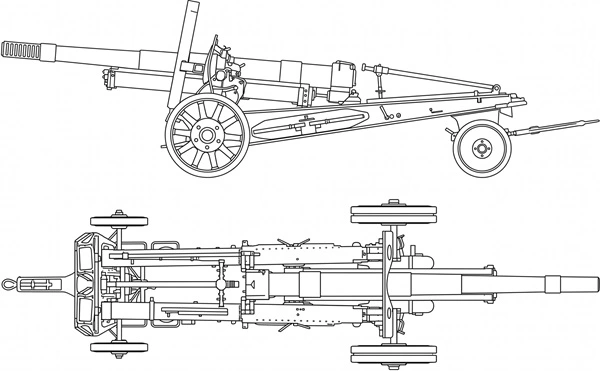
- dimensions: length 8.18 m, width 2.35 m, height 2.27 m
- combat weight: 7,270 kg
- transport weight: 7,930 kg
- caliber: 152.4 mm
- elevation: -2° to 65°
- rate of fire: 3–4 rounds per minute
- maximum firing range: 17,230 m
- probability of hitting a 1x1 m target at 2,000 m: 18%
From the memoirs of tank commander Karl-Heinz Bartold:
“The East Prussian soil had turned into a bottomless morass. Our Panthers had wide tracks, yet we still had to push the Maybach engines to their absolute limit. When Soviet T-34s emerged from the fog, our long guns struck with surgical precision—destroying them at a kilometer or more. The real shock came when we encountered their heavy artillery concealed among farmsteads. The Panther's frontal armor withstood multiple hits, but the deafening roar and the harrowing reality of fighting on home soil amidst fleeing civilians turned it into pure hell.”
About the COBI set:
- COBI set 3144 is made of 1,170 high-quality ABS parts
- number of figures: 3
- collection: Limited Edition World War II
- scale: 1:35
- pad printed – no stickers
- authentic reproduction
- made in the EU
- compatible with other building brick brands
- recommended age: 12+
| Number of pieces | 1170 pcs |
|---|---|
| Recommended age | 12+ |
| Scale | 1:35 |
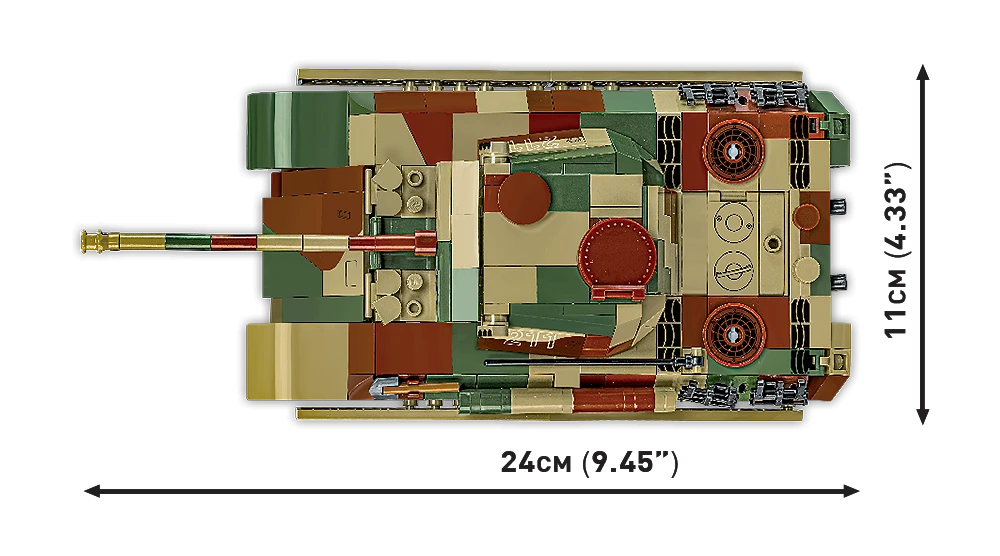
| Dimensions after assembly | 24 x 11 x 8 cm |
| Number of figurines | 3 pcs |
| Contains luminous blocks | No |
| Compatible with other brand of kits | No |
| Material | Plastic |
| Collection | World War II |
Related items
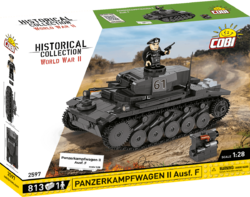
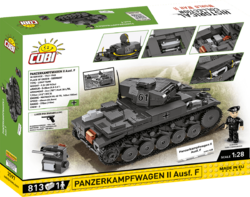
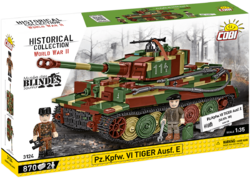

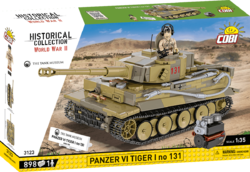




Related Items
+ Skvělá komunikace
Všechno proběhlo bez problémů.
+ Rychlost dodání
- Nic
Velmi rychlé dodání.Úplná spokojenost.
+ Rychlost zpracovani i odeslani zasilky
+ Rychlé a solidní jednání.

COBI kit scales: how they work and why they matter
COBI building sets are known for their emphasis on realistic representation of both military and civilian vehicles. One of the key parameters that influences the final model is the scale of the ...
Read whole
The story of COBI building kits - European quality that conquers the world
When people hear the phrase plastic building blocks, most automatically think of the legendary LEGO brand. In recent years, however, the European brand COBI has also been gaining increasing popularity, ...
Read whole



Cobishop - Ondřej Vašťák
náměstí Hrdinů 109,
68603 Staré Město,
Česká republika